Cycle Routes That Lead To Hearing First Kingston Easily
Content Modified: Fri, 7 Aug 2026 05:41
Waxfree GuaranteeTM: The only ear wax removal clinic in Kingston offering the Waxfree GuaranteeTM.
We are the only specialist microsuction ear wax removal clinic in Kingston-upon-Thames offering Microsuction Earwax Removal and Manual Instrument Earwax Removal, carried out by our expert Audiologists. Every earwax removal practitioner is personally chosen by our founder, Jason Levy. In Kingston, we genuinely are the ear wax removal specialists.
Our convenient location in Kingston, Southwest London, also serves Kingston-Upon-Thames, Tolworth, Thames Ditton, East Molesey, West Molesey, Hersham, Claygate, Chessington, Hampton Wick, New Malden, Norbiton, Worcester Park, Bushey Park, Teddington, Twickenham, Sunbury-on-Thames, Cobham, Oxshott, Stoke D’Abernon, Stoneleigh, Ewell, Epsom, Leatherhead and Feltham.
Practical Cycle Links for Reaching Hearing First Kingston
Cycling to Hearing First Kingston can be an efficient way to reach your appointment without the stress of parking or the delays that often come with short car trips in town. If you are coming for microsuction ear wax removal, a hearing test, or impartial hearing aid advice, a calm ride can help you arrive composed and ready to focus. The most useful route is usually the one that feels clear, direct and comfortable for your level of confidence. In Kingston, that often means choosing quieter residential streets, established cycle lanes, and junctions that are easy to read. A route that reduces stop-start riding can also help if you want to avoid arriving flustered. Good planning matters more than raw speed, especially when your goal is a steady, predictable journey to an audiology clinic that serves local patients across Kingston and Surbiton.
What Makes a Route Feel Easier on the Day
A route feels easier when it limits awkward turns, busy crossings and stretches where traffic builds quickly. If you know Kingston well, you may already have a preferred line through the area, but it is still worth checking for roadworks, temporary closures or changes to busier junctions. Surfaces matter too. Smooth roads and well-kept cycle paths are kinder on the bike and less tiring before an appointment. If you are carrying a pannier, a helmet, a small note pad or any referral details, a steady ride can make the load feel lighter. For many people, the best choice is not the shortest line on paper, it is the one that keeps the journey simple, especially when you want to arrive with enough time to lock up securely and walk in without rushing.
Use Familiar Landmarks to Stay Oriented
Landmarks can make local cycling much less mentally demanding. A recognisable junction, a main road crossing, or a well-known retail stretch can help you stay on track without checking directions repeatedly. That can be especially useful if you are travelling for ear care or hearing support and would rather keep your attention on the appointment itself. If the weather is poor, allow extra time and slow your pace slightly so you can watch for wet leaves, glass near kerbs, or slick surfaces after rain.
Driving Directions to Hearing First Kingston Surbiton
- Clear Earwax Clinic Wimbledon to Hearing First Kingston Surbiton: approximately 4.4 miles and 19 minutes by car. The route typically begins: Head east towards Southey Rd; then Turn left onto Southey Rd; then Turn left onto The Broadway/A219 Continue to follow A219. Open this route in Google Maps.
- Surbiton: Microsuction Earwax Removal Network to Hearing First Kingston Surbiton: approximately 2.4 miles and 11 minutes by car. The route typically begins: Head south-east on St James' Rd towards Newmans Ln; then At the roundabout, take the 2nd exit onto St Mark's Hill/B3370; then Continue onto Lamberts Rd. Open this route in Google Maps.
- Glenlyn Medical Centre to Hearing First Kingston Surbiton: approximately 4.7 miles and 19 minutes by car. The route typically begins: Head east on Molesey Park Rd towards Spencer Rd; then Turn left onto Spencer Rd; then Turn right onto Walton Rd/B369. Open this route in Google Maps.
- Manor Drive Medical Centre to Hearing First Kingston Surbiton: approximately 2.8 miles and 12 minutes by car. The route typically begins: Head north-west towards The Manor Dr; then Turn right onto The Manor Dr; then Turn left onto Malden Rd/A2043. Open this route in Google Maps.
- Lock Road Surgery to Hearing First Kingston Surbiton: approximately 3.0 miles and 13 minutes by car. The route typically begins: Head south-east towards Lock Rd; then Turn right onto Lock Rd; then Turn left onto Broughton Ave. Open this route in Google Maps.
- Epsom & Ewell Cottage Hospital to Hearing First Kingston Surbiton: approximately 6.1 miles and 18 minutes by car. The route typically begins: Head north-east on Horton Ln Go through 1 roundabout; then At the roundabout, take the 2nd exit and stay on Horton Ln; then At the roundabout, take the 1st exit onto Hook Rd/B284. Open this route in Google Maps.
- Surbiton Coronation Clock Tower to Hearing First Kingston Surbiton: approximately 2.3 miles and 11 minutes by car. The route typically begins: Head south on The Crescent towards Claremont Rd/B3363; then Turn left onto Claremont Rd/B3363; then Turn right onto Maple Rd/B3363. Open this route in Google Maps.
Distances, indicative journey times and route links are provided by Google Maps. Check live conditions before travelling.
Nearby Bus Stops and Public Transport
Nearest Bus Stops to Hearing First Kingston Surbiton
- The Triangle (Stop N), approximately 0.0 miles from Hearing First Kingston Surbiton. View this bus stop on Google Maps. Walking directions from The Triangle (Stop N) to Hearing First Kingston Surbiton.
- The Triangle (Stop R), approximately 0.1 miles from Hearing First Kingston Surbiton. View this bus stop on Google Maps. Walking directions from The Triangle (Stop R) to Hearing First Kingston Surbiton.
- Kenley Road (Stop Q), approximately 0.1 miles from Hearing First Kingston Surbiton. View this bus stop on Google Maps. Walking directions from Kenley Road (Stop Q) to Hearing First Kingston Surbiton.
- Kenley Road (Stop P), approximately 0.2 miles from Hearing First Kingston Surbiton. View this bus stop on Google Maps. Walking directions from Kenley Road (Stop P) to Hearing First Kingston Surbiton.
- Oak Road (Stop M), approximately 0.3 miles from Hearing First Kingston Surbiton. View this bus stop on Google Maps. Walking directions from Oak Road (Stop M) to Hearing First Kingston Surbiton.
- Oak Road (Stop S), approximately 0.3 miles from Hearing First Kingston Surbiton. View this bus stop on Google Maps. Walking directions from Oak Road (Stop S) to Hearing First Kingston Surbiton.
Nearest Rail, Tube and Tram Stations to Hearing First Kingston Surbiton
- Norbiton, approximately 0.5 miles from Hearing First Kingston Surbiton. View this station on Google Maps. Walking directions from Norbiton to Hearing First Kingston Surbiton.
- Berrylands, approximately 0.7 miles from Hearing First Kingston Surbiton. View this station on Google Maps. Walking directions from Berrylands to Hearing First Kingston Surbiton.
- New Malden, approximately 0.9 miles from Hearing First Kingston Surbiton. View this station on Google Maps. Walking directions from New Malden to Hearing First Kingston Surbiton.
Stops and stations are ordered by straight-line distance from the destination using Google Places coordinates. Place and walking-direction links are provided by Google Maps.
How to Choose a Comfortable Approach to the Clinic
When you cycle to a hearing clinic, comfort should sit alongside convenience. A route that feels comfortable is one that suits your experience, your bike, and the conditions outside. In practice, that may mean using roads with calmer traffic, avoiding repeated sharp turns, and staying away from noisy or congested stretches until you are close to the destination. People attending for ear wax removal often prefer a smoother ride because less vibration can make the journey feel more settled. If you are heading in for a hearing assessment or advice about hearing aids, a predictable route can reduce the chance of arriving mentally tired before the consultation even begins. Kingston has a mix of busier town-centre roads and quieter side streets, so there is usually some scope to choose a cycling line that feels reasonable rather than hurried.
- Choose roads with clear lane markings where possible, as they often make junctions easier to judge and reduce hesitation.
- Avoid the most crowded shopping streets if a calmer residential link will get you there with less stress and fewer stops.
- Check whether your route includes any awkward roundabouts, because these can be tiring if you are carrying items or riding in traffic.
- Use a route you can remember, especially if you may be leaving in a different light level after the appointment.
- Keep an eye out for narrow pinch points, parked vehicles and opening car doors near the kerb.
Small Adjustments That Improve the Ride
Little changes can make a large difference to how a journey feels. Lower your speed before busy junctions, give yourself a bit more braking distance, and avoid cutting across traffic to save a few seconds. If the clinic visit is at the end of a working day, it can help to ride a little more gently than usual so you arrive without unnecessary strain. Good cycling habits often matter more than route length.
A Simple Rule for Appointment Travel
If a road feels awkward or pressured, there is usually a calmer alternative nearby, even if it adds a few minutes. That extra time is often well spent.
Safe, Comfortable Care with an Audiologist Close to You
Your ears and hearing are delicate, so they should be looked after by people with the right expertise. Some providers treat ear wax removal as a routine task and delegate it to lay people, but we believe it calls for the skill and judgement of a trained Audiologist.
At our clinic, only qualified Audiologists perform ear wax removal, so your ears are cared for by a specialist with detailed knowledge of ear anatomy and physiology. That approach helps minimise the risk of injury and supports an effective procedure tailored to your needs. We are committed to delivering a high standard of care.
Hearing First Kingston – Microsuction Ear Wax Removal Kingston Kt6 Map
Planning a Predictable Journey Around Kingston Streets
Predictability is often the biggest advantage when cycling to a local health appointment. A predictable route reduces the mental load of finding your way, which can be helpful if you are already thinking about earwax, hearing loss, or the results of a hearing test. Kingston’s streets can change character quickly, from lively retail roads to quieter neighbourhood links, so the best option is usually the one that keeps your ride consistent. If you know you will be travelling at peak times, expect heavier traffic near busier junctions and leave extra room for delays. That way, you can keep the pace steady and still arrive with time to secure your bike. For many visitors, the right route is the one they can repeat confidently on a future visit, because repeatability is a real advantage when you may need more than one appointment over time.
- Check your chosen streets the day before, then confirm them again on the morning of travel if conditions look changeable.
- Give priority to routes with fewer confusing turns, because a straightforward line is easier to follow when you are in a hurry.
- Factor in traffic lights, pedestrian crossings and school traffic, as each one can add small delays across a short journey.
- Plan for the return ride as well, especially if your appointment could finish near rush hour or in low light.
- Choose a pace you can sustain comfortably, rather than pushing hard and arriving breathless.
- Make sure your lock, lights and any appointment paperwork are ready before you leave home.
A structured plan keeps the journey practical and helps you focus on your hearing care once you arrive.
What Does Ear Wax Removal in Kingston Cost?
Published Payment Methods
- Credit cards
- Debit cards
- Contactless or NFC payments
Payment information may change. Confirm prices, insurance eligibility and accepted methods directly with the provider. Place attributes are provided by Google Maps.

Ear wax removal in Kingston starts at £34. Pricing may vary depending on whether treatment is for one ear or both ears, and on whether the booking is made at peak or off-peak times.
20 Interesting Facts About Kingston
- Pre-Raphaelite Muse
The Hogsmill River in Kingston-upon-Thames inspired John Everett Millais’ 1852 painting Ophelia. He sketched its banks for the iconic Shakespearean scene, though locals joked the model (floating in a bathtub) “looked more like a drowned librarian than a tragic heroine.” - Birthplace of Modern Football?
Kingston-upon-Thames hosted early Football Association meetings in the 1860s. The 1863 “Kingston Rules” draft, lost in a pub fire, allegedly proposed banning headers—a rule later scrapped to the relief of footballers everywhere. - Alice in Wonderland’s Local Link
lived in Kingston-upon-Thames. Carroll visited often, locals claim the town’s maze-like alleys inspired the, Reverend Edwin Dodgson, and Lewis Carroll’s brotherAlice books’ whimsical settings. - Ear Wax Removal in Kingston
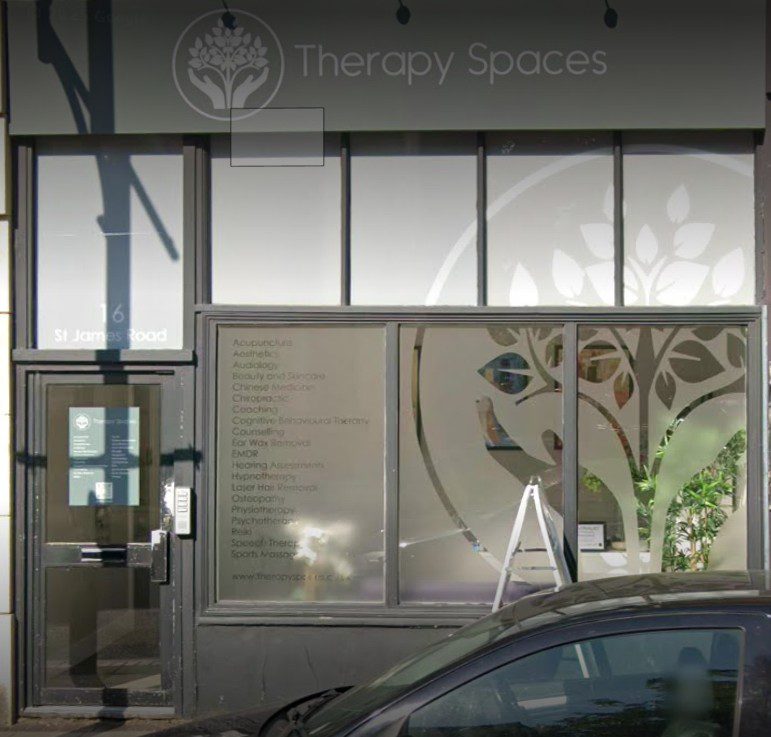
Ear wax removal is available from the experts at Hearing First Kingston on Mondays in Therapy Spaces on St James’ Road, just a couple of minutes’ walk from Surbiton station in KT6. Click here to book now. - Britain’s Oldest Phone Box
A rare 1926 K1 telephone box stands outside Kingston-upon-Thames’s Guildhall—the oldest surviving model in the UK. Residents fought to preserve it in 2010, dubbing it “the red guardian of gossip.” - Ghost Trams of Kingston
Kingston-upon-Thames had electric trams from 1906–1931. Old tracks occasionally resurface during roadworks and drivers swear phantom “clangs” echo near Eden Street—especially on foggy nights. - First Waitrose Store
Waitrose opened its first-ever shop on Kingston-upon-Thames’s Bentall Centre site in 1904. It sold “fancy groceries” to wealthy residents, including quail eggs and truffles—a far cry from today’s meal deals. - Viking Raid Survivor
In 1009, Viking longships raided Kingston-upon-Thames, burning Saxon homes. A 2022 dig near the Thames uncovered charred wheat grains and a melted silver brooch—proof of the town’s fiery past. - Scandalous Novelist’s Hideout
John Cleland wrote Fanny Hill (1748), one of England’s first erotic novels, while living in Kingston-upon-Thames. Authorities banned it, but pirated copies circulated via the town’s clandestine printers. - Surbiton Lagoon’s Secret Twin
Before Surbiton’s lido, Kingston-upon-Thames had its own riverside bathing spot at Tagg’s Island (1890s). Nicknamed “The Floating Spa,” it sank in 1914 after a champagne-soaked party overloaded the pontoons. - London’s Only Chalk Stream
The Hogsmill is one of London’s rare chalk streams, home to endangered water voles. Kingston-upon-Thames’s “Vole Patrol” volunteers track them, joking about rodent “celebrities” with names like Vinnie the Vole. - Trailblazing Female Mayor
In 1906, Elizabeth Cox became Kingston-upon-Thames’s first female mayor. She banned corsets at council meetings, declaring them “a barrier to clear thinking and deep breathing.” - Occultist’s Suburban Lair
Aleister Crowley, the “Wickedest Man in the World,” lived in Kingston-upon-Thames in 1918. Neighbors complained about midnight rituals, but his diary just noted: “Baked scones, summoned Beelzebub. Rain ruined both.” - WWI Zeppelin Panic
In 1915, a German Zeppelin bombed Kingston-upon-Thames, damaging the Bentalls store. No one died, but the “Great Underwear Explosion” left lingerie floating over the Thames for days. - Queen Victoria’s Stone Snub
In 1887, a replica Coronation Stone was made for Victoria’s Jubilee—but she refused to sit on it, calling it “a lumpy relic.” It’s now in Kingston-upon-Thames’s All Saints’ Church, ignored by royalists and pigeons alike. - Saxon Gold Hoard
A 2021 metal detectorist uncovered a 7th-century Saxon burial site near Kingston-upon-Thames, including a gold belt buckle and spearheads. Archaeologists dubbed it “Kingston’s Sutton Hoo,” minus the ship. - Bentalls’ Christmas Spectacle
In 1955, Bentalls debuted London’s first animated Christmas window display. Crowds flocked to Kingston-upon-Thames to see robotic elves, causing traffic jams so bad the army was called in—twice. - Chess Championship Chaos
Kingston-upon-Thames hosted the 1897 British Chess Championship. A player stormed out after losing, hurling his king into the Thames. The piece washed up weeks later, rusted but still regal. - The Omen’s Local Curse
Parts of The Omen (1976) were filmed in Kingston-upon-Thames. Crews reported eerie mishaps, including a sudden hailstorm during the “Damien’s birthday” scene—locals blame Satan, not Surrey’s weather. - Kingston Flyer’s Steam Revival
The “Kingston Flyer,” a 19th-century steam train, once shuttled day-trippers to Hampton Court. Restored in 2023, it now runs themed “Murder Mystery” rides where passengers solve faux crimes—with tea and scones included.
Easy Local Cycling Habits for a Smoother Visit
Many people find that a simple routine makes local cycling much easier. If you visit Hearing First Kingston regularly, it helps to keep a basic set-up ready, such as a working light, a lock and a small bag for any paperwork. Good preparation lowers the risk of forgotten items and last-minute stress. It can also be useful to think about your return ride, especially if the appointment ends near the school run or the evening traffic peak. Kingston’s roads can be busy at certain times, but a steady approach usually works well. Watch for wet leaves in autumn, loose gravel near kerbs and pinch points where cars and bikes share narrow stretches. Those details often matter more than the distance alone.
- Use main cycle links where possible, as they are often easier to follow than a chain of unfamiliar side streets.
- Check tyre pressure the day before, because underinflated tyres can make urban riding slower and less stable.
- Allow time to slow down before the clinic, so you do not arrive out of breath or flustered.
- Think about the surface as well as the distance, because smoother roads can make a shorter ride feel much easier.
- Keep your route notes on your phone or in your head, especially if you may need to head back in poor light.
For anyone heading in for ear wax removal, a hearing test or follow-up advice, the aim is simple, arrive safely, park the bike securely and walk in with enough energy to focus on the appointment.
Why Cycle Travel Can Suit Hearing Tests and Ear Care
Cycle travel works well for many hearing care visits because it gives you control. You decide when to leave, how fast to ride, and which streets feel manageable. That can be helpful if you are travelling for ear wax removal, a hearing test or follow-up advice about hearing aids. Driving may involve parking searches, congestion and a last-minute dash from the car, but cycling often keeps the process simpler. In a place like Kingston, where short distances can still be slowed by traffic, a bicycle may feel like the more practical option. It can also give you a bit of light exercise before sitting down for a clinical conversation, which some people find helps them settle. The key is to match the route to the appointment, the weather and your own confidence rather than just chasing the shortest distance on a route planner.
For local hearing appointments, a calm and repeatable cycle route can be more valuable than a slightly faster but stressful one.
When a Bike Journey Can Be Especially Useful
A bike can be particularly useful if you already know the area and want to avoid parking or the pressure of navigating traffic after a busy day. It can also suit people who prefer to keep appointments simple and independent. If you are attending with a family member or friend, cycling may be the easiest way to travel together without coordinating bus times or multiple car journeys. The most important point is not speed, it is arriving in a composed state.
Why Cycling Often Suits Hearing Care Visits

Cycling can work particularly well for hearing health appointments because it gives you flexibility, helps you avoid parking searches and often keeps the journey simple. For people attending Hearing First Kingston, that can be useful whether the visit is for ear wax removal, a hearing test or aftercare following hearing aid fitting. A bike ride also gives you a little fresh air and a gentle warm-up before you sit down for your appointment. If traffic stress affects you, travelling by bike on calmer roads may feel less draining than driving through congestion. The main thing is to choose a route that suits your fitness, the weather on the day and the time you have available.
- A bike ride can be quicker than driving across short local distances when roads are congested.
- You can avoid parking worries, which is useful if you already have an appointment to think about.
- A clear, repeatable route reduces the chance of getting lost on the way to the clinic.
- Gentle exercise before a consultation may help you feel more alert and settled.
- Travel by bike can suit people who prefer a simple, independent way to reach their hearing care visit.
- With the right preparation, a cycle journey can feel steady and manageable even on a busy day.
If you are planning your first visit, it may help to note the nearest cycle-friendly streets, think about where you will lock your bike and leave a few extra minutes for finding the entrance. That small bit of planning often makes the whole visit smoother.
The Practical Benefits of Cycling to Hearing Care
Cycling can be a convenient travel option for local Hearing First Kingston appointments, particularly for people who prefer to avoid the uncertainty of congested roads and parking searches. A bicycle gives you control over your departure time and can make a short journey feel more direct. Gentle movement and fresh air may also help you arrive feeling alert and settled.
- Plan a cycle-friendly route that matches your experience and confidence.
- Identify a suitable place to secure your bicycle before the appointment.
- Take extra time on a first visit, in wet weather or during busy periods.
- Keep lights, a lock and any appointment information ready for an easier departure.
For ear wax removal, hearing tests and hearing aid aftercare, the aim is a journey that feels manageable from start to finish. There is no need to rush or choose the busiest road simply because it appears shorter. Select a route that suits your pace, check live conditions before leaving and arrive with sufficient time to concentrate on the care and advice you have booked.
Driving Directions to Hearing First Kingston Surbiton
- Clear earwax Surbiton to Hearing First Kingston Surbiton: approximately 2.3 miles and 11 minutes by car. The route typically begins: Head north-east on St Mark's Hill/B3370 towards Adelaide Rd; then Continue onto Lamberts Rd; then Lamberts Rd turns slightly left and becomes Kingsley Ter/Villiers Ave Continue to follow Villiers Ave. Open this route in Google Maps.
- Earwax.org.uk Surbiton to Hearing First Kingston Surbiton: approximately 2.3 miles and 11 minutes by car. The route typically begins: Head north-east on St Mark's Hill/B3370 towards Adelaide Rd; then Continue onto Lamberts Rd; then Lamberts Rd turns slightly left and becomes Kingsley Ter/Villiers Ave Continue to follow Villiers Ave. Open this route in Google Maps.
- LANGLEY MEDICAL PRACTICE to Hearing First Kingston Surbiton: approximately 2.4 miles and 11 minutes by car. The route typically begins: Head east on Mellish Ct towards Ewell Rd/A240 Restricted-usage road; then Turn left onto Ewell Rd/A240; then Turn right onto Lamberts Rd. Open this route in Google Maps.
- Thorkhill Surgery to Hearing First Kingston Surbiton: approximately 5.9 miles and 15 minutes by car. The route typically begins: Head north on Thorkhill Gardens towards Thorkhill Rd; then Turn left onto Thorkhill Rd; then Turn left onto Angel Rd. Open this route in Google Maps.
- Giggs Hill Surgery to Hearing First Kingston Surbiton: approximately 5.9 miles and 16 minutes by car. The route typically begins: Head east on Raphael Dr Restricted-usage road; then Turn left to stay on Raphael Dr Restricted-usage road; then Turn right onto Giggs Hill Rd. Open this route in Google Maps.
- Kingston Hospital to Hearing First Kingston Surbiton: approximately 0.6 miles and 3 minutes by car. The route typically begins: Head north towards Galsworthy Rd; then Turn right towards Galsworthy Rd; then Turn left towards Galsworthy Rd. Open this route in Google Maps.
- Surbiton Coronation Clock Tower to Hearing First Kingston Surbiton: approximately 2.3 miles and 11 minutes by car. The route typically begins: Head south on The Crescent towards Claremont Rd/B3363; then Turn left onto Claremont Rd/B3363; then Turn right onto Maple Rd/B3363. Open this route in Google Maps.
Distances, indicative journey times and route links are provided by Google Maps. Check live conditions before travelling.
Nearby Bus Stops and Public Transport
Preparing for a Safe Ride Before Your Hearing Appointment
Good preparation makes a noticeable difference to any cycle trip, and it is especially valuable when the destination is a healthcare clinic. Before leaving for Hearing First Kingston, check that your brakes, tyres and lights are working properly. A comfortable saddle height and working gears can reduce strain on the way in, particularly if you are not used to regular cycling. If rain is possible, pack a lightweight waterproof layer so you are not caught out on the return journey. A secure bag is also worth using for appointment letters, a phone, a lock and any glasses or hearing-related notes. These small checks can save you from avoidable stress. Even a short ride can feel more demanding if you are underprepared, so the aim should always be calm readiness rather than last-minute improvisation.
What to Check Before You Leave
- Inspect tyres for pressure and visible wear, because soft tyres can make city riding slower and less stable.
- Test both brakes, as Kingston traffic can call for quick stopping near junctions or pedestrian crossings.
- Switch on lights if there is any chance you will return after dusk or in dull weather.
- Carry a lock that is practical to use, so you can secure the bike without wasting time outside the clinic.
- Pack a waterproof or extra layer if the forecast suggests rain, wind or a drop in temperature.
Do Not Leave It Too Late
A rushed start often causes more stress than the actual ride. Build in enough time to double-check your kit, because that calm beginning tends to carry through to the appointment itself.
Why Basic Checks Matter
When the bike is in good order, you can focus on your route and your arrival, not on whether the journey will go smoothly.
Finding a Clear Route Through Kingston Town Centre

Kingston town centre can feel lively, so a straightforward bike ride is usually one that reduces confusion rather than trying to save a minute or two. If you are unfamiliar with the area, choose a route that limits sharp turns and keeps you on streets where the signage is easy to read. It is often wise to avoid complicated one-way sections unless you already know the cycling rules on that road. For visitors coming to Hearing First Kingston, this kind of planning can help you feel settled before the appointment begins. Whether you are booking microsuction ear wax removal, an assessment for hearing loss or support with hearing aids, a smooth bike journey can fit neatly into a busy day.
Small Choices That Can Make the Journey Easier
Look for visible landmarks, such as familiar junctions, open spaces or well-known high streets, so you can keep track of your progress without constantly checking a map. If you are riding in heavy clothing, keep a relaxed pedalling pace to avoid overheating before you arrive. In colder months, gloves and an extra layer can help you stay comfortable without slowing you down. The aim is not speed, it is predictability. A route that feels easy to repeat is often the best one for appointments, especially when you want the journey to feel as routine as the visit itself.
Preparation Before You Set Off
Check the weather, match your route to the conditions and allow time for one or two slower junctions if needed. These small steps help you stay in control and reduce the chance of arriving tense or late.
Navigate Kingston Town Centre with Confidence
Kingston town centre can be busy, so clear navigation is often more valuable than trying to save a few minutes. Visitors cycling to Hearing First Kingston may find it easier to select roads with familiar landmarks, readable signs and fewer complicated turns. A route you can remember and repeat confidently can be particularly useful when travelling for a scheduled hearing care appointment.
- Use prominent junctions, open spaces or well-known streets as simple waypoints.
- Check one-way restrictions and cycling permissions before entering unfamiliar roads.
- Adapt your clothing and pace to the season so that you do not arrive overheated or cold.
- Expect occasional delays at crossings and factor them into your departure time.
Whether you are visiting for microsuction, support with hearing loss or impartial hearing aid guidance, predictability helps create a smoother experience. Check the weather, use lights where conditions require them and slow down well before reaching the clinic area. With a little route planning, cycling can fit naturally around a busy Kingston appointment.
Driving Directions to Hearing First Kingston Surbiton
- Clear earwax Surbiton to Hearing First Kingston Surbiton: approximately 2.3 miles and 11 minutes by car. The route typically begins: Head north-east on St Mark's Hill/B3370 towards Adelaide Rd; then Continue onto Lamberts Rd; then Lamberts Rd turns slightly left and becomes Kingsley Ter/Villiers Ave Continue to follow Villiers Ave. Open this route in Google Maps.
- Earwax.org.uk Surbiton to Hearing First Kingston Surbiton: approximately 2.3 miles and 11 minutes by car. The route typically begins: Head north-east on St Mark's Hill/B3370 towards Adelaide Rd; then Continue onto Lamberts Rd; then Lamberts Rd turns slightly left and becomes Kingsley Ter/Villiers Ave Continue to follow Villiers Ave. Open this route in Google Maps.
- LANGLEY MEDICAL PRACTICE to Hearing First Kingston Surbiton: approximately 2.4 miles and 11 minutes by car. The route typically begins: Head east on Mellish Ct towards Ewell Rd/A240 Restricted-usage road; then Turn left onto Ewell Rd/A240; then Turn right onto Lamberts Rd. Open this route in Google Maps.
- Thorkhill Surgery to Hearing First Kingston Surbiton: approximately 5.9 miles and 15 minutes by car. The route typically begins: Head north on Thorkhill Gardens towards Thorkhill Rd; then Turn left onto Thorkhill Rd; then Turn left onto Angel Rd. Open this route in Google Maps.
- Giggs Hill Surgery to Hearing First Kingston Surbiton: approximately 5.9 miles and 16 minutes by car. The route typically begins: Head east on Raphael Dr Restricted-usage road; then Turn left to stay on Raphael Dr Restricted-usage road; then Turn right onto Giggs Hill Rd. Open this route in Google Maps.
- Kingston Hospital to Hearing First Kingston Surbiton: approximately 0.6 miles and 3 minutes by car. The route typically begins: Head north towards Galsworthy Rd; then Turn right towards Galsworthy Rd; then Turn left towards Galsworthy Rd. Open this route in Google Maps.
- Surbiton Coronation Clock Tower to Hearing First Kingston Surbiton: approximately 2.3 miles and 11 minutes by car. The route typically begins: Head south on The Crescent towards Claremont Rd/B3363; then Turn left onto Claremont Rd/B3363; then Turn right onto Maple Rd/B3363. Open this route in Google Maps.
Distances, indicative journey times and route links are provided by Google Maps. Check live conditions before travelling.
Using Quieter Roads for a More Settled Arrival
Quieter roads are often the best choice when you want to arrive at a hearing appointment feeling settled. They usually bring less engine noise, fewer abrupt stops and less pressure at junctions, all of which can make a short cycle ride feel more manageable. In Kingston, the balance between town-centre activity and residential streets gives cyclists a useful range of options. If you are travelling for microsuction ear wax removal, you may appreciate a route that avoids bumpy sections and repeated stop-start movement. If your appointment is for hearing advice, a calmer ride can help clear your head beforehand. The most important thing is to use roads that match your confidence and the weather. A quieter route is not always the fastest, but it can be the one that helps you arrive on time and in good order.
Signs That a Route May Be Better for You
If a route has fewer large junctions, less heavy traffic and better visibility, it may be a better fit for your visit. Look for streets where you can hold a steady pace without constant braking. That is often easier on the body and the mind. If you need to cross a busy road, pick a controlled crossing point rather than making a rushed move between vehicles. A measured approach tends to work better for appointments than a hurried one.
Steady riding usually beats hurried riding, especially when the destination is a clinic and not a race finish.
Services We Offer Include:

- Microsuction Ear Wax Removal
- Manual Instrument Ear Wax Removal
- Hearing Tests: We can test your hearing and explain what the results mean, and because we are not part-owned by a hearing aid manufacturer, we will not use a free hearing test to push you into buying hearing aids like some High Street chains.
- Impartial Hearing Aid Advice, Supply, Fitting and Aftercare: If you would like friendly, impartial guidance, we are an independent company that is not part-owned by a hearing aid manufacturer, so we can help you consider which model best fits your lifestyle. We provide the latest digital invisible, rechargeable, Bluetooth and iPhone-compatible hearing aids.
- Under 18 Microsuction Ear Wax Removal: We provide microsuction ear wax removal for ages 12 to 17 when a parent or guardian accompanies them.
Hearing First Kingston
Located within Therapy Spaces,
URL: https://www.hearingfirst.co.uk/book-ear-wax-removal-near-me/book-microsuction-ear-wax-removal-kingston/
Professional ear wax removal Kingston Audiologists. Conveniently located in Back 2 Well-Being health clinic, with free on-street parking. We are the only ear wax removal clinic in Kingston that offers The Hearing First Waxfree GuaranteeTM, so if you have a blocked ear, book an appointment at our ear wax removal Kingston clinic. We really are the ear wax removal experts in Kingston!
Kingston Ear Care and Hearing Support
Hearing First Kingston brings ear wax removal together with wider hearing support in one local service. Appointments may involve microsuction ear wax removal or manual instrument ear wax removal, allowing the Audiologist to choose the most suitable approach for each person. For younger patients, microsuction is available for ages 12 to 17 when a parent or guardian attends. This gives families a clearer sense of the options before arranging ear care.
- Ask about ear wax removal if a blocked ear is affecting comfort or hearing.
- Arrange a hearing test when you want your hearing checked and the results explained clearly.
- Seek impartial hearing aid advice if you are comparing devices that suit your lifestyle requirements.
The clinic says it is independent and not part-owned by a hearing aid manufacturer, which may reassure people who want guidance rather than sales pressure. Where hearing aids are suitable, the service covers advice, supply, fitting and aftercare, with options described as including digital, invisible, rechargeable, Bluetooth and iPhone-compatible models. Book an appointment to talk through your symptoms, your hearing test results or your hearing technology needs with the Kingston team.
Cycle Parking and Final Approach Tips
Car Parks Near Hearing First Kingston Surbiton
- Blagdon Road Car Park, approximately 1.1 miles from Hearing First Kingston Surbiton. View on Google Maps.
- Kingston Hospital Staff Parking, approximately 0.6 miles from Hearing First Kingston Surbiton. View on Google Maps.
- New Malden station, approximately 0.9 miles from Hearing First Kingston Surbiton. View on Google Maps.
Parking information and place links are provided by Google Maps. Check restrictions and charges locally.
Once you are close to Hearing First Kingston, the final few minutes of the journey matter just as much as the road leading up to them. It helps to know in advance where you will secure your bicycle, because arriving without a parking plan can add avoidable pressure. A sensible final approach gives you time to dismount safely, check your surroundings and walk in without rushing. If you are carrying a bag with notes, hearing aid batteries or appointment paperwork, it is worth making sure everything is easy to reach before you arrive. For a visit that involves ear care or a hearing assessment, a calm ending to the ride can be the difference between feeling prepared and feeling frazzled. Take your time, look for a safe place to lock up, and then use the last short walk to settle yourself before the appointment begins.
How to Make the Last Stretch Straightforward
Keep the final section of your route simple, ideally with clear turns and visible building fronts. That makes it easier to spot the right entrance and avoid unnecessary wandering. If the area feels busy, pause for a moment rather than forcing your way through traffic or pedestrians. A little patience near the destination can make the whole visit feel more professional and less hurried.
A Brief Note on Valuables
Keep your phone, keys and any card payment items in the same secure pocket or bag, so you are not searching for them while balancing the bike or walking towards the clinic.
Why the Last Minute Matters
The final approach sets the tone for the appointment. When you arrive composed, you are more likely to feel ready for the consultation.
Nearby Bus Stops and Public Transport
Matching Your Ride to the Appointment Ahead

Different appointments may benefit from slightly different travel choices. If you are coming for microsuction ear wax removal, you may prefer a route with less vibration and fewer stop-start sections, because arriving composed can make the visit feel easier. If you are attending for a hearing test, avoiding noisy stretches just before you arrive may help your mind feel clearer. People who want hearing aid advice may bring notes, questions or a companion, so a route with straightforward bike parking and easy access to the entrance is especially useful. The best cycle route is not always the shortest one, it is the one that suits your purpose and your pace on the day.
Short Journeys, Longer Journeys, and What They Mean in Practice
Short local rides are often the simplest, but a slightly longer route can be better if it stays on calmer roads. In Kingston, that might mean choosing residential links or cycle-friendly corridors rather than cutting through traffic-heavy streets. If you are travelling after work, remember that tired legs and heavier traffic can make a familiar road feel very different. Leave enough time to park the bike, secure your belongings and walk in without rushing. That measured arrival is useful for both first visits and repeat appointments, because it gives you a moment to settle before you speak to the Audiologist.
Timing Advice Worth Keeping in Mind
Arriving five to ten minutes early is often enough to avoid a rushed start without leaving you waiting too long. It also gives you space to lock your bike securely and check that you have any notes or identification you may need.
Why a Calm Arrival Helps
A relaxed start can make the rest of the visit feel more straightforward, especially if you are discussing hearing health, wax build-up or suitable hearing technology for your lifestyle.
Choose a Ride That Fits Your Appointment
Your travel plan can reflect the reason for your visit. Someone attending for ear wax removal may value a smoother, less stop-start route, while a visitor booked for a hearing assessment may prefer to avoid particularly noisy roads immediately beforehand. If you are bringing questions about hearing aids, give yourself enough time to carry notes or meet a companion without feeling hurried.
Local journeys do not always need to be the shortest possible rides. A slightly longer route through calmer streets may feel more manageable than a direct route through heavier traffic, especially after work or when weather conditions are less favourable. Building in time to lock your bike and gather your belongings supports a composed arrival for both new and returning patients.
- Check the route and likely traffic conditions before you set off.
- Choose a pace that suits your confidence, fitness and the day's weather.
- Arrive a little early, then take a moment to settle before seeing the Audiologist.
A practical cycling routine turns the appointment journey into a straightforward part of your day. If you have concerns about access, bicycle storage or the most suitable arrival point, confirm the details with the clinic before travelling. This simple preparation can help you focus on your hearing health rather than the journey.
What to Consider in Wet or Dark Conditions
Weather can change how a cycle route feels far more than distance alone. A street that seems easy in daylight may feel less comfortable in rain, wind or after dusk. If you are cycling to Hearing First Kingston in poor conditions, choose roads with good visibility, fewer awkward bends and surfaces that are less likely to become slippery. Wet leaves, standing water and reflective glare from cars can all make a local ride more demanding. In darker conditions, bright lights and reflective clothing become more important, especially if part of your route uses quieter streets with less pavement lighting. The goal is to stay visible, steady and relaxed enough to enjoy the benefit of cycling without turning the journey into a test of nerve. If the conditions look poor, it is reasonable to adjust your route or your departure time.
- Use front and rear lights whenever visibility drops, even if it is not fully dark.
- Reduce speed on wet corners and painted road markings, as they can be more slippery than plain tarmac.
- Avoid puddles where you cannot see the surface beneath, because debris may be hidden there.
- Choose routes with better street lighting if you expect to arrive or leave after sunset.
- Wear reflective details so drivers can spot you earlier at junctions and side roads.
Good judgement in poor weather helps protect both your safety and your energy for the appointment.
Simple Bike Connections to Hearing First Kingston

Cycling to Hearing First Kingston can be a sensible option for nearby visitors who want a smoother journey and less time spent searching for parking. From local streets, quieter side roads and marked cycle lanes can often get you to the clinic more calmly than driving during busy periods. If your visit is for microsuction ear wax removal, a hearing test, or impartial hearing aid advice, it helps to plan a route that lets you begin the appointment in a settled frame of mind. Aim for roads with lighter traffic where possible, surfaces that feel comfortable to ride on, and a direct approach to the clinic area. The most useful ride is usually the one that feels balanced, not just the one that looks shortest on a map.
Picking a Route That Feels Manageable
When you map out your journey, pay attention to junctions, busier roads, and places where parked cars or narrow pavements may make cycling less comfortable. Kingston combines town-centre movement with calmer residential roads, so the better route is often the one that reduces sharp turns and repeated stopping. If you are carrying a helmet, a pannier, or a small bag containing appointment details, it makes sense to favour a steady route rather than one that feels hurried. Shorter is not always better if it brings more pressure. A path with clearer signs, fewer hazards and decent lighting can be the wiser choice for a daytime booking or an early evening visit.
Route Planning for a Calmer Arrival
It can be helpful to check the route before you leave so you know where the main turns and crossings are likely to be. That way, the journey feels more predictable once you are on the bike. Leaving a little earlier than you would for a car trip can also take the edge off delays caused by junctions and traffic lights. If you are setting off in low light or coming back later in the day, a bike light is a sensible addition, even when the weather looks dull rather than dark.
Plan a Relaxed Cycle Journey to the Clinic
A well-planned cycle journey can help you arrive at Hearing First Kingston feeling organised and ready to focus on your appointment. Rather than following the fastest line on a map, consider a route that balances distance with comfort, visibility and confidence at junctions. Quieter residential streets and established cycle lanes may be preferable where they provide a more predictable approach.
- Review crossings, road layouts and any busy sections before leaving.
- Choose well-lit streets if your appointment is later in the day.
- Carry essential items securely, including appointment details, a lock and weather-appropriate clothing.
- Allow extra time for traffic lights, roadworks or a slower pace in poor weather.
For microsuction ear wax removal, a hearing test or hearing aid advice, a calmer arrival can make the whole visit feel less rushed. Check your preferred route on the day, particularly if conditions are wet or visibility is reduced, and aim to reach the clinic area with enough time to secure your bicycle and find the entrance comfortably.
How Local Cycling Supports a Less Rushed Appointment Day
For many people, cycling helps the whole appointment day feel less compressed. You can leave when you are ready, skip the uncertainty of parking, and keep your journey entirely under your own control. That can be especially useful if you are attending for hearing aid advice, follow-up ear wax removal or a hearing test that you do not want to start in a hurry. A short cycle ride can also create a useful buffer between home and the clinic, giving you a few minutes to switch your attention from daily tasks to your hearing health. In Kingston, where local roads can become busy at predictable times, cycling may feel more direct than driving a similar distance. It is still worth planning carefully, but the reward is a journey that can sit neatly inside a normal day rather than taking it over.
- Leave enough time to ride at a relaxed pace and still reach the clinic without checking the clock every minute.
- Prepare your clothes and equipment before you leave, so you are not dealing with small delays at the last second.
- Choose a route that feels repeatable, because familiar journeys are usually less tiring and easier to trust.
- Keep a simple route back home in mind, especially if the appointment finishes later than expected.
- Take advantage of the bicycle's flexibility, but do not sacrifice comfort just to shave off a couple of minutes.
A well-managed cycle journey can make your hearing care visit feel more orderly from start to finish.
Driving Directions to Hearing First Kingston Surbiton
- Clear earwax Surbiton to Hearing First Kingston Surbiton: approximately 2.3 miles and 11 minutes by car. The route typically begins: Head north-east on St Mark's Hill/B3370 towards Adelaide Rd; then Continue onto Lamberts Rd; then Lamberts Rd turns slightly left and becomes Kingsley Ter/Villiers Ave Continue to follow Villiers Ave. Open this route in Google Maps.
- Earwax.org.uk Surbiton to Hearing First Kingston Surbiton: approximately 2.3 miles and 11 minutes by car. The route typically begins: Head north-east on St Mark's Hill/B3370 towards Adelaide Rd; then Continue onto Lamberts Rd; then Lamberts Rd turns slightly left and becomes Kingsley Ter/Villiers Ave Continue to follow Villiers Ave. Open this route in Google Maps.
- LANGLEY MEDICAL PRACTICE to Hearing First Kingston Surbiton: approximately 2.4 miles and 11 minutes by car. The route typically begins: Head east on Mellish Ct towards Ewell Rd/A240 Restricted-usage road; then Turn left onto Ewell Rd/A240; then Turn right onto Lamberts Rd. Open this route in Google Maps.
- Thorkhill Surgery to Hearing First Kingston Surbiton: approximately 5.9 miles and 15 minutes by car. The route typically begins: Head north on Thorkhill Gardens towards Thorkhill Rd; then Turn left onto Thorkhill Rd; then Turn left onto Angel Rd. Open this route in Google Maps.
- Giggs Hill Surgery to Hearing First Kingston Surbiton: approximately 5.9 miles and 16 minutes by car. The route typically begins: Head east on Raphael Dr Restricted-usage road; then Turn left to stay on Raphael Dr Restricted-usage road; then Turn right onto Giggs Hill Rd. Open this route in Google Maps.
- Kingston Hospital to Hearing First Kingston Surbiton: approximately 0.6 miles and 3 minutes by car. The route typically begins: Head north towards Galsworthy Rd; then Turn right towards Galsworthy Rd; then Turn left towards Galsworthy Rd. Open this route in Google Maps.
- Surbiton Coronation Clock Tower to Hearing First Kingston Surbiton: approximately 2.3 miles and 11 minutes by car. The route typically begins: Head south on The Crescent towards Claremont Rd/B3363; then Turn left onto Claremont Rd/B3363; then Turn right onto Maple Rd/B3363. Open this route in Google Maps.
Distances, indicative journey times and route links are provided by Google Maps. Check live conditions before travelling.
Simple Habits That Make Repeat Visits Easier
If you expect to visit Hearing First Kingston more than once, it is worth building a small routine around the journey. Repeat visits become much easier when you already know which streets feel comfortable, where you will park the bike and how long the ride normally takes in real conditions. That familiarity reduces the chance of being caught out by traffic, weather or a forgotten item. It also helps if you attend for ongoing hearing support, since you may want to focus on treatment or advice rather than travel logistics. A reliable routine might include checking the tyres, setting out your waterproofs, and storing your lock in the same bag each time. These habits may seem minor, but they add up to a smoother and more confident trip.
Build a Routine You Can Repeat
A repeatable routine is especially useful for people who are managing hearing concerns over time. If you know the route already, you can spend less energy on navigation and more on the appointment itself. Keep the same simple process for leaving home, checking lights, and securing the bike on arrival. Over time, that consistency becomes a real advantage.
Keep the Journey Easy to Remember
Pick a route with a few clear landmarks rather than a maze of tiny turns. It is easier to remember, easier to follow and usually easier to trust when you are in a hurry.
One Last Practical Point
Write down any useful junctions or turning points once, then keep them for future visits. A short note can save a lot of unnecessary checking later.
Why Consistency Helps
The less you have to think about the journey, the more attention you can give to your hearing care and the advice you receive.