Deaf Info provider index guide - where to find support and services near me
Article Updated on Mon, 3 Aug 2026 21:12
How to Use This Provider Index to Locate Nearby Hearing Support
If you are looking for ear wax removal, hearing care, or a dependable clinic close to home, this index is designed to help you compare local options without delay. Begin with the town or neighbourhood name, then review the practical points, including clinic location, wheelchair access, parking, and whether the service is on the ground floor. Those details matter when you want a visit that feels simple, safe, and manageable. For Deaf and hard of hearing people, it is also useful to note whether the provider page gives clear directions, names a pharmacy, surgery, or health centre, and explains how to reach it by train, car, or bus. A provider directory like this is valuable because it gathers local services in one place, so you do not have to search across many websites. It also supports better decisions when you want microsuction, a hearing assessment, or ear health advice from a clinic that is straightforward to reach and easy to understand.
Points to Check Before You Make a Booking
- Read the short description for nearby landmarks, stations, roads, or shopping centres, because these often make directions much easier to follow.
- Look for access details such as disabled parking, lifts, wheelchair access, and whether the clinic sits on the ground floor.
- Check the exact place name and postcode area, so you can be confident the clinic is actually near you and not across town.
- Use the provider page to judge how clear and practical the information is, which is often a good sign of a well-run local service.
- Note whether the provider offers microsuction ear wax removal, a hearing clinic, or another specialist service that fits your needs.
Why Local Detail Makes a Difference
When you are dealing with ear blockage, hearing loss, or a sudden need for support, small details can have a big impact. A provider index works best when it gives you more than a name. It should help you understand access, travel time, and whether the location suits your circumstances. In the UK, many people need services that are close to public transport, have parking nearby, or are based within a familiar health centre or pharmacy. If you prefer a clinic that is easy to reach on foot, by train, or by car, those details can save time and ease stress. They can also help carers and family members plan the visit properly. For voice search users, the natural question is often simple, such as where can I find ear wax removal near me, and this kind of index is built to answer that clearly and locally.
Quick Tip for Easier Comparisons
Before you call or travel, keep a brief note of the provider name, the area, and the access features.
What This Helps You Avoid
It lowers the chance of booking a clinic that is awkward to reach, unsuitable for mobility needs, or further away than you expected.
What Kinds of Services a Deaf Info Index May List
A good provider index can include more than one type of support, which is helpful if you want to deal with an ear or hearing issue without delay. You may come across clinics that offer microsuction, ear wax removal, hearing checks, audiology support, or related ear health services. Some listings are based in pharmacies, others in medical centres, health clinics, or dedicated treatment rooms. That variety gives you more choice, especially if you need a location that fits around work, caring duties, or travel limits. For many people, the important question is not only what the service is, but how easy it is to access. A provider page that explains the setting, parking, and nearby transport can be just as valuable as the treatment itself. It helps you decide whether the clinic is practical for a first visit or a follow-up appointment. If you are comparing local hearing support, use the index to narrow the field before you get in touch.
Common Provider Details Worth Reviewing
- Service type, such as microsuction ear wax removal, hearing assessment, or general ear care, so you know the listing matches your need.
- Location type, for example pharmacy, surgery, clinic, or health centre, because the setting can affect both access and comfort.
- Parking information, especially free parking, pay by phone bays, or disabled spaces, so you can plan the visit with fewer surprises.
- Transport options, including rail, bus, walking routes, and car access, which matter when mobility or time is limited.
- Accessibility notes, such as lifts, wheelchair access, or ground floor rooms, which are important for many patients and carers.
- Local landmark clues, since nearby roads, stations, or shopping areas often make the address easier to find.
Choosing the Right Service for Your Needs
Not every ear or hearing concern needs the same appointment, so it helps to match the service to the problem. If ear wax is affecting your hearing or causing discomfort, microsuction may be listed as the main treatment. If you are unsure whether your symptoms are caused by wax, a hearing check or clinic assessment may be the better first step. The best provider pages usually make the service clear without overcomplicating the wording. They tell you what the clinic does, where it is based, and how to get there. That clarity matters for Deaf users and for anyone who wants a direct answer. It also supports families helping an older relative, because they can see the essentials quickly. A well-structured provider directory should feel like a practical guide, not a sales page, and that is what makes it useful in real life.
Micro-Guideline for Online Searches
Search with the place name and the service together, for example ear wax removal in Reading or hearing clinic near Oxford.
Why This Improves Results
Location plus service terms usually produce more relevant pages than broad searches, which saves time and cuts down guesswork.
How Access Details Help Deaf and Hard of Hearing Visitors
Accessibility information is central to any useful provider index, because it helps people judge whether a clinic will work for them before they travel. For Deaf and hard of hearing visitors, the right information can include clear directions, straightforward wording, and practical notes about the building. Some clinics are on the ground floor, some have lifts, and some offer disabled parking close to the entrance. Those points matter because they affect comfort, confidence, and whether the appointment feels manageable. A clear clinic listing can also reduce communication stress, especially if you need to plan ahead, bring a companion, or allow extra time to settle in. When a page explains where the clinic is, how to get inside, and what the local access looks like, it helps remove uncertainty. That makes the provider index more useful than a simple list of names. It becomes a working tool for people who need hearing support and reliable ear care nearby.
Accessibility Features Worth Looking For
- Nearby public transport links, such as railway stations or bus routes, for patients who do not drive.
- Disabled parking near the entrance, which can make arrival simpler and reduce the distance you need to walk.
- Ground floor access, which is often easier for people with mobility needs, strollers, or limited stamina.
- Lifts or wheelchair lifts, especially when the clinic is not on the ground floor and stairs would be difficult.
- Plain, direct location wording, which makes the clinic easier to find when you rely on written instructions.
Communication Support and Planning Ahead
Many Deaf and hard of hearing people prefer provider pages that are easy to read and free from clutter. That is not just a design preference, it is a practical access issue. A page that sets out the clinic, parking, and travel notes in a simple way is much easier to use when you need to book quickly. If you use lip reading, sign language, or written communication, it also helps to know whether the provider gives clear appointment information in advance. Even without going into booking details, a strong listing should give enough context for you to prepare. It should help you decide whether the clinic environment is suitable, whether you may need support on arrival, and how much time to allow for the journey. In short, good access information makes the provider index more inclusive and more trustworthy.
Tip for Carers and Family Members
Before you travel, save the provider page and check the access notes again, especially if the person you are helping has mobility or communication needs.
Small Detail, Big Difference
Simple facts such as parking, lifts, and floor level often decide whether a visit feels smooth or stressful.
Finding Ear Wax Removal Clinics Near Your Area
If you are searching for ear wax removal near you, a provider index can help you compare local clinics without wading through irrelevant results. Many people begin looking after noticing blocked ears, muffled sound, discomfort, or trouble hearing speech clearly. In those moments, you want a nearby service that is easy to understand and realistically accessible. The most useful listings usually tell you the town, the wider area, and the type of clinic, so you can quickly see whether it is convenient for you. You may also spot references to nearby stations, local roads, shopping centres, or health facilities. These clues matter because they help you judge the journey before you commit to a visit. A well-written provider page should support both search and decision-making, especially for anyone who wants a straightforward local option rather than a broad national directory. When the information is clear, finding a suitable ear care service becomes much easier.
Signs a Local Listing Deserves a Closer Look
- The page explains access in plain language, so you can quickly see whether the building suits your needs.
- The location is specific, for example a named clinic, pharmacy, or health centre, rather than just a broad town reference.
- The service type is explicit, such as microsuction or ear wax removal, so you know what the clinic actually offers.
- There is enough detail to recognise a local landmark, station, road, or car park, which helps avoid confusion on the day.
- The writing sounds practical and factual, which usually means the listing has been prepared with users in mind.
Why Proximity Is Not the Only Factor
Being close to home is helpful, but it is not the only thing that matters. A clinic that is slightly further away may still be the better option if it has easier parking, better step-free access, or clearer directions. Likewise, a clinic in a familiar shopping area or near a station can feel less stressful than one that is technically nearer but harder to locate. This is why a good provider index should present a full picture, not just a postcode. For people with hearing loss or recurring ear wax problems, convenience is tied to clarity. If the page tells you where the clinic is, what the building is like, and how to reach it, you can make a better decision with less effort. That is especially helpful when you are comparing several clinics in different parts of the UK.
Search Tip for Better Results
Use the town name and the service together, then add a landmark if you know one, such as station, pharmacy, or health centre.
Why That Works Well
Specific searches often take you to the right provider page more quickly, with fewer irrelevant results to sift through.
How to Compare Clinic Providers Before Making Your Choice
When you have several nearby clinics to choose from, comparison becomes important. A provider index is most useful when it lets you scan several entries and spot the practical differences quickly. One clinic may be near a station, another may have free parking, and a third may be in a health centre with step-free access. For someone seeking ear wax removal or hearing support, those details can matter just as much as the name of the service. You are not only choosing a treatment, you are choosing a journey, a building, and a level of convenience. Comparing the listings side by side helps you make a calmer decision. It also makes it easier to avoid unnecessary travel or access problems. Good provider pages will often mention whether the clinic is on the ground floor, where it sits in relation to local roads, and what sort of parking is available. Those facts help you decide which option fits best.
Useful Comparison Points
- How clear the listing is, since a well-organised provider page is often a sign of good communication and attention to detail.
- Travel time from home, work, or a familiar place, because shorter journeys are often easier to manage when you need clinical support.
- Transport connections, especially if the clinic is close to a main station or a bus route you already use.
- Parking arrangements, such as free spaces, pay by phone bays, or nearby public car parks, which can change the whole experience.
- Entry and exit access, including step-free routes, lifts, or wheelchair access, which affect how comfortable the appointment will be.
Use Practical Needs, Not Just Preference
It is easy to focus on the nearest clinic and stop there, but the better choice may depend on your actual needs on the day. If you have limited mobility, need someone to accompany you, or want a place that is simple to find, a slightly different location could be the safer option. A provider index gives you enough information to weigh these details without guesswork. That is especially useful for Deaf users who may prefer concise, direct content that gets to the point. When a page is clear about access, setting, and local directions, it becomes easier to trust and easier to use. In that sense, comparison is not just about price or distance, it is about matching the clinic to the person.
Short Checklist Before Booking
Check service type, access, transport, and building level, then choose the clinic that best fits your needs.
Why a Checklist Helps
It keeps your decision focused on the details that affect comfort, safety, and ease of arrival.
Questions to Ask When You Are Seeking Local Hearing Care
If you are trying to find the right hearing clinic or ear care provider, a few simple questions can save time and reduce stress. A strong provider index should answer many of them before you even get in touch. You will usually want to know what service is offered, where the clinic is, and whether access is suitable for you. You may also want to understand whether the location is in a pharmacy, medical centre, or dedicated treatment room, because that can affect how easy it is to navigate. For Deaf and hard of hearing users, clear written information is valuable because it reduces the need for repeated calls or confusion over directions. The best listings are the ones that make practical information easy to find. They do not hide the basics. They tell you enough to decide whether the clinic is worth considering. That is especially useful when you are dealing with hearing loss, ear wax symptoms, or a routine check that should not become a complicated trip.
Helpful Questions to Ask Yourself
- Can I get there easily by car, bus, train, or on foot without needing complicated instructions?
- Does this provider offer the exact service I need, such as microsuction, ear wax removal, or a hearing assessment?
- Is the clinic clearly described, so I know whether it is in a pharmacy, surgery, or specialist centre?
- Does the listing mention disabled access, step-free entry, or a lift if I need one?
- Would this place suit me if I need to bring a companion or allow extra time for the visit?
- Does the page give enough location detail to help me feel confident about the journey?
Why Clear Questions Lead to Better Choices
Good questions focus your search on what matters in real life. That means you are not just looking for any clinic, you are looking for one that fits your situation. A provider page that answers these questions clearly can make your decision faster and less stressful. It also helps you spot which clinics are well organised and which ones leave out key access details. For local hearing support, that difference matters. If the page is factual, direct, and easy to understand, it is usually easier to trust. You can then decide whether to take the next step, knowing you have already checked the essentials. For many users, especially those who want straightforward UK health information, that is exactly what a provider index should do.
Tip for First-Time Visitors
Write down the clinic name, area, and any access notes before you travel, so you do not have to rely on memory alone.
Why This Reduces Pressure
It gives you a quick reference if you feel rushed, distracted, or uncertain on the day.
Using a Provider Index When You Need Fast Answers
Sometimes you do not have time for lengthy research. You simply want a clear answer to a practical question, such as where can I find ear wax removal near me, or which local hearing clinic has easier access. A good provider index is useful precisely because it can answer those questions quickly. The best pages put the important facts up front, including the clinic area, access, and service type. That means you can decide whether a provider is suitable without wading through lots of filler. For voice search users and people using smartphones, this simple structure matters even more. Short, direct information is easier to scan, easier to compare, and easier to act on. It is also better for users who prefer clear British English and concrete details rather than vague claims. In a well-made index, each listing should give you enough context to judge whether the provider is nearby, accessible, and appropriate for the kind of hearing support you need.
What a Quick-Answer Page Should Tell You
- Whether the wording is simple and factual, which is a sign the page is designed for real users, not just search engines.
- What the clinic does, so you can tell whether it offers ear wax removal, hearing support, or another relevant service.
- Where the clinic is based, including enough local context to recognise the area without confusion.
- How accessible the building is, especially if you need step-free entry, disabled parking, or a lift.
- Whether there are travel clues such as station names or roads, which can save time when planning the visit.
Why Concise Wording Helps
Concise wording is not about saying less for the sake of it. It is about making the information easier to use. When a listing is full of repeated phrases, it can be hard to spot the useful facts. When the text is clean and direct, you can quickly work out whether the clinic is near you and whether it suits your needs. That is especially important for Deaf users, older adults, and carers who may be scanning on a small screen. A good provider index should remove friction, not add to it. It should feel like a trusted local guide, giving you enough detail to act with confidence.
Practical Tip for Mobile Users
Open the provider page, check the access notes first, then decide whether you need to save or share the listing.
Why This Is Sensible
It stops you from missing the details that matter most when time is tight or you are on the move.
What Makes a Clinic Listing Trustworthy and Helpful
Trust in a provider index comes from useful detail, steady wording, and a clear focus on the visitor. A listing feels reliable when it gives concrete information rather than vague praise. For example, it should explain the clinic setting, access arrangements, and local location in plain British English. That helps people judge whether the service suits their needs. If a page mentions parking, step-free access, nearby stations, or whether the room is on the ground floor, those are all signs that the provider understands what patients need before they arrive. Trust also grows when the page does not overstate what it offers. A good index is honest, practical, and easy to read. It supports people searching for ear wax removal, hearing care, or a local health clinic with confidence. That is especially valuable for those who prefer a direct route to support rather than a cluttered list of search results.
Features of a Strong Provider Page
- A calm and factual tone, which tends to inspire more confidence than exaggerated claims.
- Specific local information that helps you identify the clinic and understand where it sits in the area.
- Useful travel clues, including nearby transport links, roads, or well-known landmarks.
- Practical access notes, such as parking, lifts, or disabled entry, written in a straightforward way.
- Clear service naming, so there is no doubt about whether the clinic offers microsuction or another ear care service.
Why Trust Matters for Ear and Hearing Care
Ear and hearing concerns can affect everyday life quickly. If your hearing feels blocked or you are struggling to follow speech, you need reliable information without delay. A trustworthy provider page helps you move from uncertainty to action. It gives you enough to plan a visit, decide whether the location is suitable, and understand the kind of service on offer. For many users, that reassurance is as important as the clinic itself. It means less second guessing and fewer unnecessary detours. In a well-kept provider index, every listing should work like a small but dependable guide, helping people find the right support nearby in a way that is simple, respectful, and accurate.
Tip for Judging Quality Quickly
Look for facts rather than sales language, because specific details usually point to a more helpful listing.
Why That Matters
Facts let you compare clinics fairly, while vague praise makes it harder to know what you are actually choosing.
Local Support Options Across Towns and Cities
One of the strengths of a provider index is that it can bring together services from different places, so you can compare support across several towns or city areas. This is useful if your nearest clinic is fully booked, hard to reach, or not the best fit for access needs. By scanning a wider set of entries, you may find a provider with better parking, easier transport links, or a more convenient location along your usual route. That can be especially helpful if you are looking for ear wax removal, a hearing clinic, or another ear health service and need options in more than one part of the country. A well-structured index gives you breadth without losing clarity. It should still be simple enough to read quickly, while offering enough detail to support a good decision. For UK users, this kind of local and regional coverage can make all the difference when time, mobility, and comfort matter.
How Wider Coverage Helps Users
- It supports family members and carers who may be planning travel from a different part of the region.
- It increases your chance of finding a clinic that fits your access needs rather than forcing you to settle for the nearest option.
- It lets you compare services in nearby towns, which can be useful if transport links are better in one area.
- It reduces pressure when one provider is not suitable, because you already have other local options to review.
- It gives you a better picture of what is available in the area, including pharmacies, clinics, and health centres.
Why Variety Matters in a Provider Index
Variety helps users because health support is not one size fits all. Some people need a clinic near work, while others need one near home or a station. Some need ground floor access, while others need clear directions and simple parking. When the index includes different towns and different clinic types, it gives you room to choose the best match. That is more useful than a narrow list that only repeats the same kind of information. It also supports better answer engine visibility, because the page can satisfy a range of practical search questions in a direct way. If someone asks where to find hearing support near me, the answer should be clear, local, and realistic. A broad but well-organised provider index can do exactly that.
Quick Planning Tip
If your first choice is not ideal, check nearby areas before you give up, because a better-access clinic may be only a short journey away.
Why This Works
It keeps your options open and helps you find a service that fits your day-to-day needs, not just your postcode.
Find your ideal health clinic with our list of trusted clinic providers:

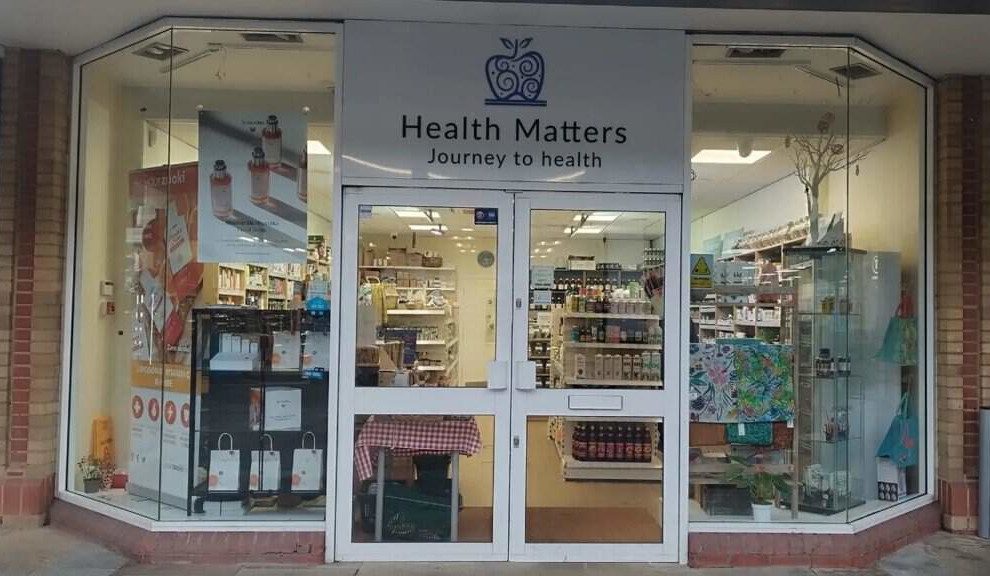
Ashford - Private Microsuction Ear Wax Removal in Ashford Tn24
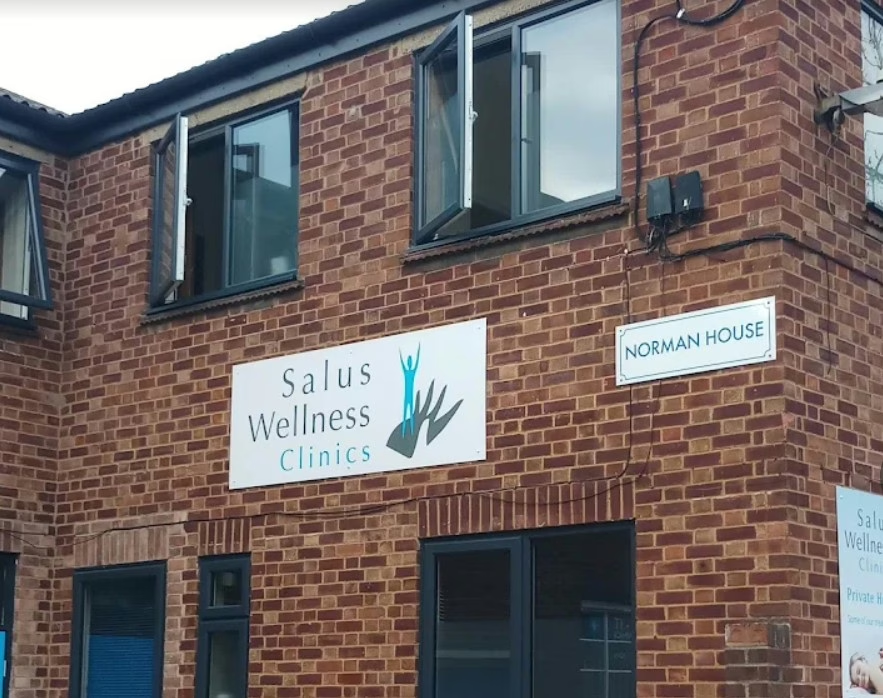
Barnet - Private Microsuction Ear Wax Removal in Barnet En5
Cambridge - Private Microsuction Ear Wax Removal in Cambridge Cb2

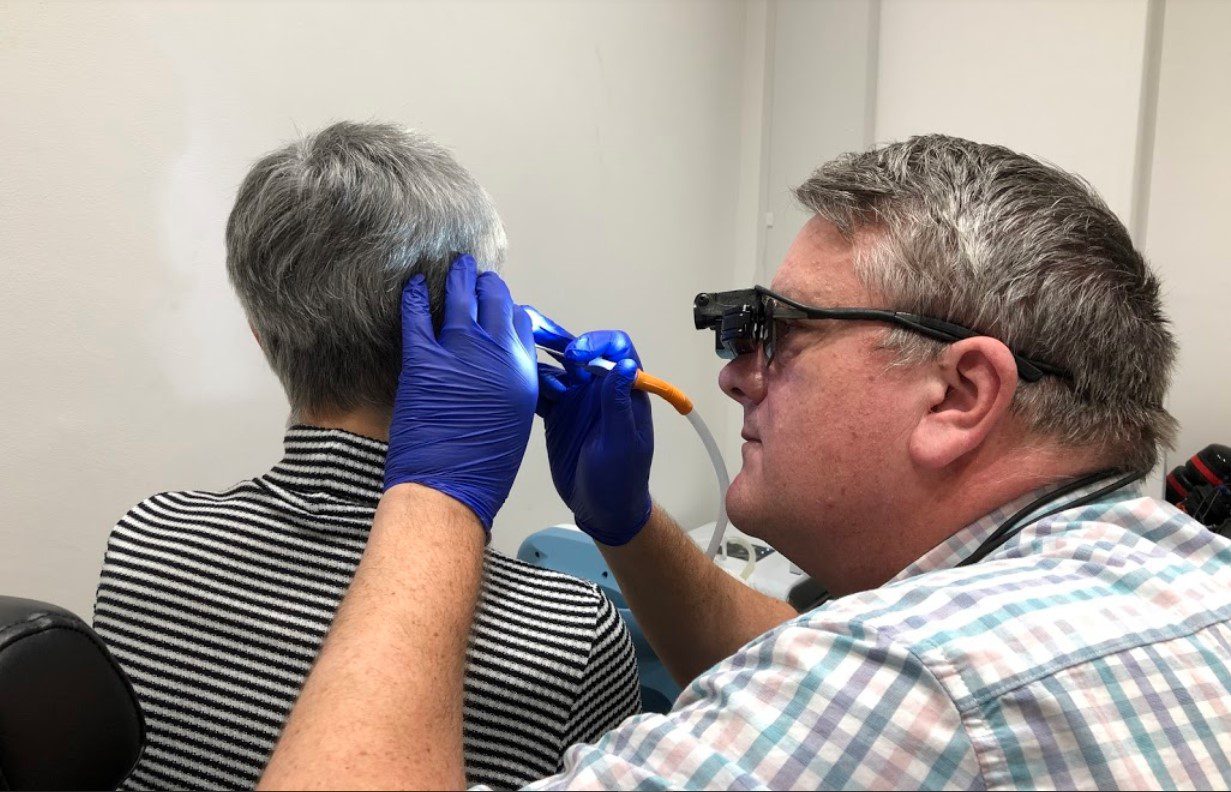
Colindale: Private Microsuction Ear Wax Removal in North West London Nw4
Ealing: Private Microsuction Ear Wax Removal in Ealing W5

East Finchley: Private Microsuction Ear Wax Removal in East Finchley N2
Edgware: Private Microsuction Ear Wax Removal in North London Nw4

Enfield: Private Microsuction Ear Wax Removal in Enfield En1
Finchley: Private Microsuction Ear Wax Removal in Finchley North London
Hastings: Private Microsuction Ear Wax Removal in Hastings Tn34
Hendon: Private Microsuction Ear Wax Removal in North West London Nw4
Hythe: Private Microsuction Ear Wax Removal in Hythe Ct21
Kingston: Private Microsuction Ear Wax Removal in Kingston-Upon-Thames Kt6
Mill Hill: Private Microsuction Ear Wax Removal in North West London Nw4

Milton Keynes: Private Microsuction Ear Wax Removal Mk in Bucks Mk2

Muswell Hill: Private Microsuction Ear Wax Removal in Muswell Hill N2

Oxford: Private Microsuction Ear Wax Removal in Oxford Ox2
Reading: Private Microsuction Ear Wax Removal in Reading Rg30
Surbiton: Private Microsuction Ear Wax Removal in Surbiton Kt6
How to Read Clinic Details Without Feeling Overloaded
Provider indexes work best when the information is simple to absorb. If you are scanning several clinic listings, it helps to focus on the main facts first, what the service is, where the clinic is, and how accessible it looks. You do not need to remember every line. Instead, read for the details that affect your visit. For example, check whether the location is on a main road, near a station, or within a pharmacy or health centre. Then look for parking and access notes. This approach keeps the process manageable, especially if you are searching while tired, frustrated by ear symptoms, or trying to help someone else. The point of a good provider index is to reduce effort, not create more of it. Clear, well-structured pages support that aim by making local hearing support easier to find and easier to compare.
A Simple Order for Reading Provider Pages
- Start with the clinic name and area, so you know you are looking at the right place.
- Move to the service description, because that tells you whether the provider offers what you need.
- Look for transport clues, such as train stations, bus routes, or main roads you already know.
- Check access notes next, including lifts, parking, and ground floor entry.
- Only then read any extra detail, because it is easier to process once the essentials are clear.
Why This Approach Helps
A fixed reading order helps you avoid information overload. Instead of trying to take in everything at once, you can move step by step. That makes the page more usable, especially for people who prefer direct, practical content. It also helps when you are comparing several clinics, because you can judge each one using the same criteria. For Deaf and hard of hearing users, that consistency matters. It keeps the search process calm, clear, and predictable. If the provider index is well written, the main facts stand out naturally and you can make a sensible choice without unnecessary strain.
Tip for Quick Comparison
Use the same three checks every time, service, access, and location, then ignore anything that does not alter your decision.
Why Consistency Helps
It gives you a repeatable way to compare providers, which makes the search simpler and more reliable.