How To Reach Hearing First Oxford
This Page Refreshed - 2026-08-02 22:46

Waxfree Guarantee™: The only ear wax removal clinic in Oxford offering the Waxfree Guarantee™.
We are the only specialist microsuction ear wax removal clinic in Oxford providing Microsuction Earwax Removal and Manual Instrument Earwax Removal through our expert Audiologists. Every earwax removal practitioner is carefully selected by our founder, Jason Levy. In Oxford, we truly are the ear wax removal experts.
Our convenient Botley, Oxford location also serves clients from Jericho, Summertown, Wolvercote, Marston, Godstow, Park Town, Wytham, Yarnton, Worton, Elsfield, Beckley, Islip, Hampton Poyle, Kidlington, Eynsham, Stanton Harcourt, Hardwick, Northmoor, Kingston Bagpuize, Gozzard’s Ford, Abingdon, Radley, Littlemore, Cowley, Headington, Thame, Wootton, Kirtlington, Freeland, Cassington, Witney, Ducklington, Aston, Woodstock, Weston-on-the-Green, Charlton-on-Otmore, Horton-cum-Studley, Forest Hill, Wheatley and Sandford-on-Thames.
Locate Hearing First Oxford with Confidence

If you are looking for Hearing First Oxford for ear wax removal, a hearing test, or impartial hearing aid advice, planning your route before you travel is a sensible first step. The clinic sits in the North Hinksey and Botley area of Oxford, close to the A34, so many visitors arrive by car from west Oxford, central Oxford, Abingdon, or elsewhere in Oxfordshire. A calmer journey begins with checking which roads you will use, how long parking may take, and whether you are attending for microsuction, manual instrument removal, or an audiology consultation. That little bit of preparation can ease stress, especially if your ear feels blocked or your hearing is muffled and you want prompt care.
For voice search and local search users, the answer is straightforward: follow the signed route to Raleigh Park Clinic, allow a little extra time, and look for the customer parking area near the entrance. If this is your first visit, use a sat nav, note any local landmarks, and avoid rushing your arrival. The clinic is well placed for patients who want specialist ear care in a quiet, accessible setting with convenient on-site parking.
Things to Confirm Before You Set Off
- Bring any relevant medical notes, earlier hearing test results, or symptom details if you are attending for audiology advice.
- Allow extra time if you are driving from the A34, Westminster Way, or Botley, as local roads can become busy at peak times.
- Confirm the appointment type, because microsuction, hearing tests, and hearing aid fitting may each call for slightly different arrival timing and preparation.
- If you are bringing a parent, guardian, or companion, make sure everyone understands the route and entrance before you leave home.
- Plan for on-site parking so that you can arrive with less pressure and walk in ready for your consultation.
Practical Guidance for First-Time Visitors
First visits usually go more smoothly when the route and parking plan are sorted in advance. That is particularly helpful if you are coming for ear wax removal after discomfort, tinnitus, or reduced hearing has started to affect day-to-day life. Hearing First Oxford supports patients who want specialist care rather than a hurried high street appointment, so arriving calm and prepared can make the visit feel more productive.
A Helpful Sat Nav Tip
Enter the clinic name and Oxford postcode together if your device allows it, then check the route against local road names such as Raleigh Park Road and Westminster Way before you leave.
Why This Matters
A quick route check can help you avoid missed turns and last-minute confusion. It also frees you to concentrate on the reason for your visit, whether that is ear wax removal, a hearing assessment, or support with modern hearing aids and aftercare.
Travelling by Car to the Oxford Clinic

For many patients, driving is the easiest way to reach Hearing First Oxford, particularly if they are coming from nearby Oxfordshire towns or would rather not carry ear care paperwork on public transport. The clinic's position near the A34 and Westminster Way makes it accessible for people booking microsuction ear wax removal, manual wax removal, or a hearing test. When you are driving for an appointment related to hearing loss, blocked ears, or a new hearing aid consultation, it makes sense to allow a buffer for traffic, junctions, and parking. That extra margin can make the whole journey feel less rushed and easier to manage.
Oxford roads can be busy at school-run times, after commuting hours, and during poor weather. If you do not know North Hinksey or Botley well, read your route instructions before you leave and keep the plan simple. Choose the correct side of the road for your approach, watch for local turning points, and aim to arrive a few minutes early rather than right on time. That approach is especially useful if you are bringing a child aged 12 to 17 for microsuction, or if you are combining travel with a follow-up audiology appointment.
Car Journey Preparation That Saves Time
- Leave a few minutes early if you need time for parking, filling in forms, or settling nerves before your consultation.
- Set your sat nav for the clinic, then compare the route with Raleigh Park Road and Westminster Way so the final turns feel familiar.
- Keep the appointment details close to hand in case you need to confirm the booking or check the purpose of your visit.
- Agree the entrance and parking plan in advance if someone else is driving, so you are not deciding under pressure while approaching the clinic.
- Check live traffic before you leave, because delays on the A34 or nearby roads can affect your arrival time more than expected.
Why Car Travel Works Well Here
Many people prefer to travel by car because it supports a calm, door-to-door journey and avoids the effort of carrying bags or feeling crowded after an ear procedure. On-site parking is also reassuring for visitors who may have balance concerns, ear discomfort, or reduced concentration because of hearing problems. When the journey is straightforward, it becomes easier to focus on the care itself, whether you are attending for ear wax removal, hearing aid advice, or a routine hearing assessment.
Micro-Guideline for a Smoother Arrival
Keep your booking confirmation open on your phone, use it to check the appointment time, and leave a small cushion in case Oxford traffic is heavier than expected.
Practical Benefit
A steady, unhurried arrival can lower anxiety and help you get more from your consultation. This is especially useful if you want to explain symptoms clearly, ask about digital hearing aids, or understand whether wax or another issue is causing the blocked feeling.
Services We Offer Include:
- Manual Instrument Ear Wax Removal
- Microsuction Ear Wax Removal
- Hearing Tests: We can test your hearing and explain what the results mean, and because we are not part-owned by a hearing aid manufacturer, we do not provide a so-called "free" hearing test and then push you towards hearing aids in the way some High Street chains do.
- Under 18 Microsuction Ear Wax Removal: We provide microsuction ear wax removal for ages 12 to 17 when accompanied by a parent or guardian.
- Impartial Hearing Aid Advice, Fitting and Aftercare: If you want friendly, impartial guidance, we are an independent company that is not part-owned by a hearing aid manufacturer, so we can advise you on which model may suit your unique lifestyle requirements. We supply and fit the latest digital invisible, rechargeable, bluetooth and iPhone-compatible hearing aids.
Hearing First Oxford - Ear Wax Removal and Hearing Aids
Located within Raleigh Park Clinic,
URL: https://www.hearingfirst.co.uk/book-ear-wax-removal-near-me/book-microsuction-ear-wax-removal-oxford/
View Hearing First Oxford - Ear Wax Removal and Hearing Aids on Google Maps.
Professional ear wax removal Oxford Audiologists. Conveniently located just off the A34 in the North Hinksey area of Botley, with free on-site parking. We are the only ear wax removal clinic in Oxford that offers The Hearing First Waxfree Guarantee™ , so if you have a blocked ear, book an appointment at our ear wax removal Oxford clinic. We truly are the ear wax removal experts in Oxford!
Oxford Audiology and Ear Care Services
Hearing First Oxford combines ear wax removal and hearing support in one specialist setting. Visitors can talk about a blocked ear, arrange microsuction ear wax removal or manual instrument removal, and access hearing tests with clear explanations of the results. That makes it easier to choose a sensible next step when ear discomfort or changes in hearing are affecting everyday life.
- Microsuction appointments are offered for young people aged 12 to 17 when accompanied by a parent or guardian.
- Hearing tests can help you understand your hearing test results before you decide what support may be appropriate.
- Microsuction and manual instrument ear wax removal are available from the clinic's Audiologists.
For those considering hearing aids, the clinic provides impartial advice, fitting and aftercare. Hearing First says it is independent of hearing aid manufacturers, so visitors can keep the conversation focused on lifestyle needs, preferred features and practical compatibility. If you are uncertain whether the issue is wax, hearing loss, or both, booking an appointment is a sensible place to begin.
Parking and Arrival at Hearing First Oxford
Parking Options Listed for This Location
- Free car park
- Paid car park
- Free street parking
- Paid street parking
Car Parks Near Hearing First Oxford
- YourParkingSpace, approximately 0.7 miles from Hearing First Oxford. View on Google Maps.
- Car Park King Edward Street | APCOA, approximately 1.1 miles from Hearing First Oxford. View on Google Maps.
- Oatlands Road Car Park, approximately 0.7 miles from Hearing First Oxford. View on Google Maps.
Parking information and place links are provided by Google Maps. Check restrictions and charges locally.

Parking that is easy to find can make an appointment much less stressful, particularly if you are visiting for microsuction ear wax removal or a hearing test and would rather not arrive flustered. Hearing First Oxford has on-site parking, which is helpful for patients who want a short, simple walk from the car to the clinic entrance. If you are coming with someone else, that same arrangement can help you stay focused on the appointment instead of searching for a space. It may seem like a small detail, but for anyone with reduced hearing, ear pain, or travel anxiety, predictable parking makes a real difference.
When you arrive, park carefully, gather what you need, and make sure your booking details are ready. If you are attending for hearing aid aftercare, it can also help to bring the devices, their chargers, or any written notes about sound quality and comfort. Visitors who plan ahead usually find the process more relaxed. That is useful if you are dealing with wax build-up, comparing hearing aid options, or returning for a follow-up check after an earlier visit.
What Visitors Usually Need to Know
- Arriving a little early gives you time to settle, complete any required forms, and prepare for your audiology appointment.
- A direct parking plan is especially helpful if you have mobility concerns, are carrying hearing devices, or prefer to keep the visit low stress.
- On-site parking means you can avoid searching for an unfamiliar street space or walking a long way from a public car park.
- Planning your exit time can help if you need to return to work, collect children, or keep another Oxford appointment later in the day.
- If you are travelling with a companion, they can help with navigation and support you from the car into the clinic.
How to Make the Most of On-Site Parking
Use the parking space as a reset point before you head in. Switch off the engine, check your appointment details, and resist the urge to rush straight inside if you have just driven through traffic. A brief pause can help you arrive more composed, which is useful when you are about to discuss hearing thresholds, blocked ears, or concerns about rechargeable hearing aids.
Tip for a Calmer Visit
If you feel nervous about the appointment, arrive ten minutes early and use the spare time to breathe, read your notes, and prepare yourself for the consultation.
Why This Helps
When parking is straightforward, the whole visit begins better. You are more likely to remember your questions, explain your symptoms clearly, and leave with a better understanding of the next step in your hearing care.
Disabled Access
Published Accessibility Features
- Wheelchair-accessible entrance
Accessibility details are provided by Google Maps. Contact the location to confirm individual requirements.

This clinic is located on the ground floor.
Ground Floor Access at the Clinic
Hearing First Oxford is situated on the ground floor, which gives visitors attending ear care or hearing appointments a simple arrival point. That can be especially helpful for anyone who would rather avoid stairs when visiting the clinic.
The page also confirms that there is a disabled parking bay directly outside the clinic, alongside on-site patient parking. These practical details can make planning a visit easier when mobility, comfort, or a shorter distance from the car to the entrance matters.
If you have a specific access requirement, it is sensible to contact the clinic before you travel to confirm the most suitable arrangements for your visit. A little advance planning can help you arrive ready to focus on your audiology appointment and the support you need.
Driving Directions to Hearing First Oxford
- MediPill Pharmacy Summertown Travel Clinic & Ear Wax Removal to Hearing First Oxford: approximately 5.8 miles and 15 minutes by car. The route typically begins: Head east towards Banbury Rd/A4165; then Turn left onto Banbury Rd/A4165; then At the roundabout, take the 1st exit onto North Way/Sunderland Ave/A40. Open this route in Google Maps.
- Bartlemas Surgery to Hearing First Oxford: approximately 5.3 miles and 17 minutes by car. The route typically begins: Head south-west on Manzil Way towards Cowley Rd/B480; then Turn right onto Cowley Rd/B480; then At the roundabout, take the 5th exit onto Iffley Rd/A4158. Open this route in Google Maps.
- Churchill Hospital to Hearing First Oxford: approximately 6.4 miles and 21 minutes by car. The route typically begins: Head south; then Turn right; then Turn right. Open this route in Google Maps.
- Modern Art Oxford to Hearing First Oxford: approximately 4.3 miles and 13 minutes by car. The route typically begins: Head east on Pembroke St towards Pembroke Square; then Turn right onto St Aldate's/A420; then Continue onto Abingdon Rd/Folly Brg/A4144 Continue to follow Abingdon Rd/A4144. Open this route in Google Maps.
- John Wesley Historical Marker to Hearing First Oxford: approximately 5.0 miles and 17 minutes by car. The route typically begins: Head north on New Inn Hall St towards St Michael's St; then Turn left onto George St; then George St turns slightly left and becomes Worcester St. Open this route in Google Maps.
- Museum of Oxford to Hearing First Oxford: approximately 4.3 miles and 13 minutes by car. The route typically begins: Head south-east on St Aldate's/A420 towards New Inn Yard; then Continue onto Abingdon Rd/Folly Brg/A4144 Continue to follow Abingdon Rd/A4144; then Merge onto Kennington Roundabout. Open this route in Google Maps.
Distances, indicative journey times and route links are provided by Google Maps. Check live conditions before travelling.
Using Public Transport to Reach the Clinic
Nearest Bus Stops to Hearing First Oxford
- Raleigh Park Road, approximately 0.1 miles from Hearing First Oxford. View this bus stop on Google Maps. Walking directions from Raleigh Park Road to Hearing First Oxford.
- Laburnum Road Shops, approximately 0.2 miles from Hearing First Oxford. View this bus stop on Google Maps. Walking directions from Laburnum Road Shops to Hearing First Oxford.
- Lime Road, approximately 0.2 miles from Hearing First Oxford. View this bus stop on Google Maps. Walking directions from Lime Road to Hearing First Oxford.
- Yarnells Hill, approximately 0.2 miles from Hearing First Oxford. View this bus stop on Google Maps. Walking directions from Yarnells Hill to Hearing First Oxford.
- Harcourt Hill Campus, approximately 0.3 miles from Hearing First Oxford. View this bus stop on Google Maps. Walking directions from Harcourt Hill Campus to Hearing First Oxford.
- Cedar Road, approximately 0.3 miles from Hearing First Oxford. View this bus stop on Google Maps. Walking directions from Cedar Road to Hearing First Oxford.
Nearest Rail, Tube and Tram Stations to Hearing First Oxford
- Oxford, approximately 1.1 miles from Hearing First Oxford. View this station on Google Maps. Walking directions from Oxford to Hearing First Oxford.
- Oxford Parkway, approximately 4.1 miles from Hearing First Oxford. View this station on Google Maps. Walking directions from Oxford Parkway to Hearing First Oxford.
- Radley, approximately 4.6 miles from Hearing First Oxford. View this station on Google Maps. Walking directions from Radley to Hearing First Oxford.
Stops and stations are ordered by straight-line distance from the destination using Google Places coordinates. Place and walking-direction links are provided by Google Maps.
If you are not driving, public transport can still be a practical way to reach Hearing First Oxford, particularly if you are travelling from central Oxford or nearby areas with regular bus links. Many patients choose bus travel when they want to avoid parking altogether or when they feel unwell enough that they would rather not drive after ear wax removal. It is sensible to check the route in advance, as journey times can vary with traffic, timetable changes, and the exact stop you use. For appointments linked to hearing loss, audiology, or wax build-up, a little planning makes the rest of the visit feel easier.
When you use buses or combine walking with public transport, focus on comfort and timing. Bring a charged phone, a water bottle if allowed, and any appointment confirmation you may need to show. If your hearing is reduced, consider asking a companion to help confirm stops or watch for route changes. A steady, well-timed journey is usually better than a rushed one, especially if you are going in for microsuction or a hearing test and want to arrive relaxed and ready to talk.
Checks to Make Before You Travel
- Wear comfortable footwear if you expect a short walk from the bus stop, since a calm arrival helps you settle before the appointment.
- Look up the latest bus timetable on the day of travel, because early morning and late afternoon services can run differently from off-peak journeys.
- Check the nearest stop to the clinic and the walking distance from there, so you know whether the final leg is manageable for you.
- Allow time for possible delays, especially if you are changing buses or travelling across Oxford at a busy hour.
- Keep your appointment details easy to access in case you need to confirm the clinic name or show your booking when you arrive.
When Public Transport Makes Sense
Bus travel can be a good choice for routine hearing checks, repeat audiology visits, and appointments where you do not want the hassle of driving home straight away. It can also suit visitors who have been advised not to exert themselves after ear care. The main point is to choose a route you can manage comfortably and leave enough time to reach the clinic without hurrying.
Small but Useful Planning Point
Check return journey times before you leave home, because knowing how you will get back can reduce stress during the appointment.
Why That Matters
When the journey home is already sorted, you can concentrate on the consultation itself. That is especially valuable if you are asking about hearing test results, ear wax removal options, or the next steps for hearing aid support.
Disabled Parking

There is one disabled bay directly outside the clinic.
Access for Patients with Mobility Needs

Hearing First Oxford is set up to be manageable for visitors who want a straightforward, ground floor appointment with limited physical strain. That is important if you are coming for ear wax removal, hearing aid fitting, or a hearing assessment and would rather avoid stairs, long walks, or complicated site layouts. The clinic's practical arrangement can help patients who need a clear route from parking to reception, especially if balance, dizziness, or tiredness makes travel more difficult. A simple arrival is often the best way to begin any audiology visit.
If you have reduced mobility, plan the details that matter most to you, such as the exact parking area, how far you need to walk, and whether you may want a companion to escort you. Patients with hearing loss sometimes find unfamiliar places more tiring because they are trying to follow instructions and navigate at the same time. A clearer route reduces that strain. It also means you can put your energy into the appointment rather than working out where to go once you arrive.
Things to Consider Before You Leave Home
- Bring any mobility aids, glasses, or hearing devices you need so you do not have to return to the car or home for them later.
- Allow extra time if you move more slowly, because rushing can make balance and anxiety worse.
- Think about the distance from your car, taxi, or bus stop to the clinic entrance, especially if longer walks are difficult for you.
- Choose clothing and shoes that make movement easier, particularly if you may need to sit still for a period during ear care.
- Ask a companion to help if you need support with doors, paperwork, or remembering instructions after the appointment.
Making the Appointment Easier on the Day
A sensible mobility plan reduces both physical effort and mental strain. That can be useful after microsuction, when you may prefer to take things slowly, or before a hearing test, when you want to stay calm and attentive. The easier the arrival, the easier it becomes to discuss your symptoms and understand the advice you are given.
Simple Access Tip
If you think you may need extra assistance, let the clinic know in advance so the team can help your visit run more smoothly.
Why Preparation Helps
Advance planning saves energy and reduces avoidable stress. It also gives you a better chance of leaving the appointment with clear information, practical support, and confidence about your next step.
Parking
There is ample on-site parking for patients at the clinic.
Planning a Visit for Ear Wax Removal

If you are booking ear wax removal in Oxford, the journey is only one part of the visit, but it can shape how relaxed you feel on arrival. Hearing First Oxford offers microsuction and manual instrument removal, so patients often come in with blocked ears, reduced hearing, or a feeling of pressure that has begun to affect daily life. Planning the trip well means you can focus on the procedure itself instead of worrying about traffic, parking, or running late. That is especially important if you have waited a while for treatment or are hoping to improve hearing quickly.
It helps to think of the appointment as a short sequence. First, make the route clear. Second, allow time for parking and check-in. Third, bring any details about symptoms, earlier ear problems, or medication that may be relevant. If you are bringing a young person aged 12 to 17 for microsuction, make sure a parent or guardian is present and aware of the booking time. With ear care, small details often make the biggest difference to the overall experience.
Steps That Make the Day Easier
- Bring a list of symptoms such as blocked sensation, muffled hearing, tinnitus, or discomfort, because clear notes help the audiologist assess the issue.
- Check whether you have one or both ears affected, as this may help you understand how long the visit could take.
- Book a time that fits your day, so you are not rushing from work, school, or another commitment straight into the appointment.
- Follow any pre-appointment advice you were given, since a well-prepared visit usually runs more smoothly.
- Plan for a short rest afterwards if you often feel tired after travel, procedures, or busy days in Oxford.
What to Expect from the Journey
Many patients find the trip easier when they know there is parking close by and a specialist team waiting. That practical reassurance matters if you are anxious about ear wax removal, especially if you have had discomfort for some time. A calm arrival supports a better conversation about your symptoms and the most suitable treatment option.
Useful Reminder Before You Travel
Do not use cotton buds or attempt home removal before your appointment, because that can push wax deeper and make the procedure more difficult.
Why It Matters
Arriving with your ears left alone gives the clinician the best chance of assessing the blockage properly and choosing the safest, most effective method for you.
Safe, Comfortable Ear Wax Removal with an Audiologist in Your Local Area
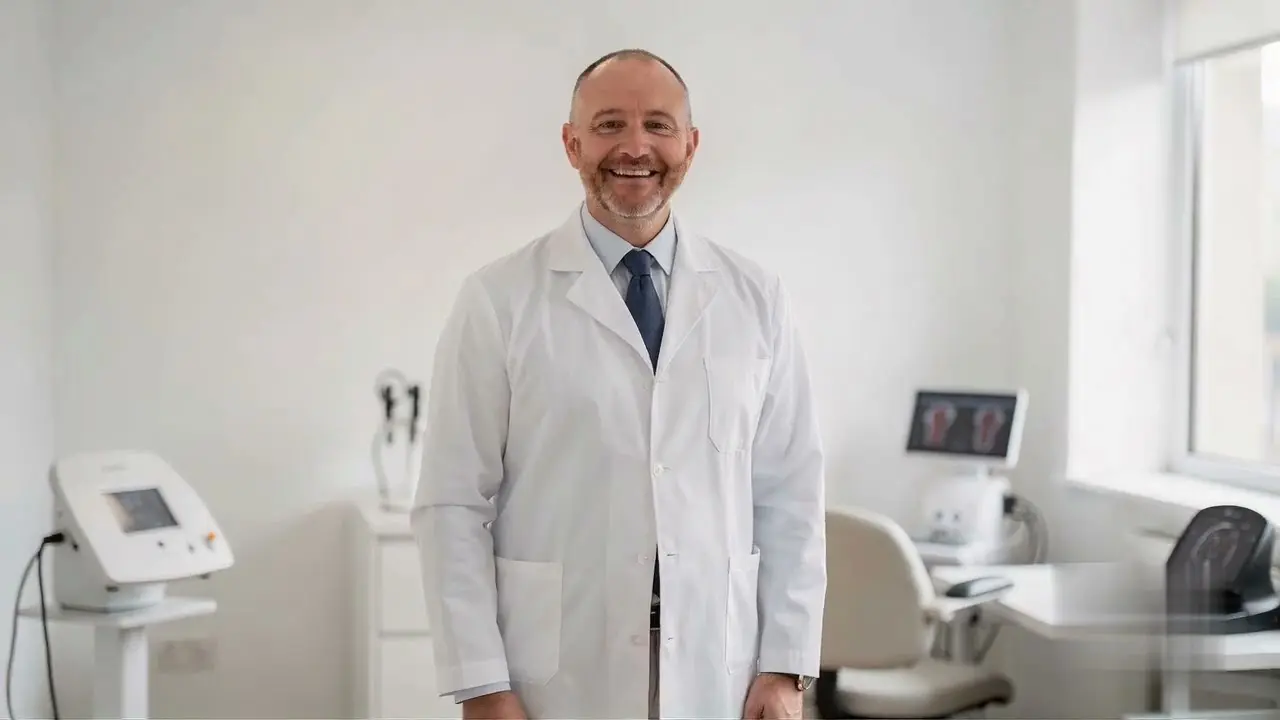
Your ears and hearing are delicate, so their care should be in expert hands. Some providers delegate ear wax removal to lay people, treating it as a routine task. We believe it calls for the skill and experience of a trained Audiologist.
At our clinic, only qualified Audiologists perform ear wax removal, ensuring that your ears are cared for by a specialist with in-depth knowledge of ear anatomy and physiology. This helps minimise the risk of injury and supports a safe, effective procedure tailored to your needs. Your hearing is too important to leave to chance, and we are committed to providing the highest standard of care.
Reaching the Clinic for a Hearing Test

People booking a hearing test often want the visit to feel clear, efficient, and free from unnecessary hassle. That is why knowing how to reach Hearing First Oxford matters. The clinic's Oxford location makes it suitable for adults who have noticed missed conversations, raised television volume, or difficulty hearing in noisy places. It is also useful for anyone who wants an explanation of their hearing test results from an independent audiology team rather than a sales-led consultation. A straightforward route means you can arrive ready to listen and ask questions.
When planning your journey, think about your energy levels as well as the route itself. Hearing changes can be tiring, and people sometimes find it hard to concentrate when they are unsure why their hearing feels different. By removing avoidable travel stress, you give yourself a better chance to focus during the assessment and take in the advice you are given afterwards. That is especially helpful if you are comparing options for hearing aids or deciding whether wax, age-related change, or another issue could be affecting your hearing.
How to Prepare for a Hearing Assessment
- Bring a companion if you think you may forget details or want help remembering the advice after the appointment.
- Arrive with any previous hearing test paperwork, because past results can help the audiologist see whether your hearing has changed over time.
- Write down situations where hearing is hardest, such as restaurants, meetings, or family conversations, so you can describe them clearly.
- If you already wear hearing aids, take them with you so the team can review how well they are working for you.
- Plan a route that lets you arrive on time without rushing, since calm conditions often make the assessment feel easier.
Why Route Planning Improves the Appointment
A hearing test is not only about measurements, it is also about listening carefully to your needs and explaining the outcome in plain English. A smooth arrival helps that conversation. If you are less stressed, it becomes easier to give accurate answers, understand the next steps, and decide whether you need treatment, monitoring, or hearing aid support.
Short Tip for Better Results
Try to avoid a very noisy journey immediately before your test, because extra listening effort can leave you feeling more tired on arrival.
Why This Is Worth Doing
Arriving with a clear head makes it easier to take in what the audiologist says about your hearing thresholds, any wax-related blockage, and the options available to improve day-to-day listening.
Further Details
For more information on our Oxford ear wax removal clinic, please click here.
Hearing First Oxford – Microsuction Ear Wax Removal Ox2 Map
Getting Here for Hearing Aid Advice and Aftercare
Research Catalogue Results for Ear Wax Removal
- The auricular cough reflex: lateralization, prevalence, procedural determinants, and the role of examiner handedness. - van de Loo J, Mayer M, Sharaf K, Eckel H, Jansen L, Klussmann JP, Luers JC., 2026.
- High-definition otoscopic device for humanitarian mission: how i do it. - Lechien JR, Maniaci A, Kipsang MJ, Kibor M, Vaira LA., 2025.
- Use of Castor Oil in Dermatology: A Narrative Review. - Girdler K, Cabatu A, Olds H, Potts GA., 2026.
Source: Europe PMC. These are bibliographic matches, not personalised medical advice or an endorsement of a treatment.

Hearing aid consultations work best when you arrive in good time and with a clear idea of what you need. Hearing First Oxford offers impartial advice, fitting, and aftercare, which is useful if you want support that focuses on your lifestyle rather than a quick sales pitch. The location is convenient for patients who are comparing invisible hearing aids, rechargeable models, Bluetooth connectivity, or iPhone-compatible devices. Knowing how to reach the clinic easily means you can spend more of your appointment discussing comfort, performance, and practical use in real life.
Aftercare appointments can include adjustments, checks, and questions about sound quality, battery life, or how the aids work in different environments. For that reason, it helps to arrive with the devices, their chargers, and any notes about when they feel uncomfortable or underperform. A calm journey also gives you time to reflect on what has been happening in daily life, such as difficulty hearing at work, in the car, or in group conversations. The clearer your travel plan, the clearer the appointment usually feels.
What to Bring with You
- Glasses or contact lenses if you need them, since hearing aid handling often involves reading small markings or instructions.
- Your hearing aids, their charging case, batteries, or accessories, so the audiologist can inspect the whole system if needed.
- Any written notes about sound quality, feedback, discomfort, or battery life, because small details can point to the cause of the problem.
- Any previous documents from hearing tests or ear care visits, which may help build a fuller picture of your hearing history.
- A companion if you want another person to hear the advice, ask questions, or help you remember the fitting guidance.
Why an Easy Journey Helps Aftercare
Good aftercare depends on clear communication, and clear communication is easier when you are not flustered by travel. If the route is simple and the parking is nearby, you can begin the appointment with a steady frame of mind. That can make it easier to judge whether the hearing aid settings are right for your daily routine.
Helpful Reminder for Device Users
Charge rechargeable hearing aids the night before, and pack any spare items in the same bag as your appointment confirmation.
Why It Helps
Being prepared means the audiologist can focus on fitting and fine-tuning, rather than waiting for missing accessories or troubleshooting avoidable basics.
Microsuction Versus Ear Syringing

Many people in Oxford are finding that their local GP surgery no longer offers ear syringing. No doubt this is partly due to a lack of funding, and it means people are turning to microsuction ear wax removal instead. Possible side effects of ear syringing or irrigation include ear infection, hearing loss, further impaction of the ear wax, and perforation of the ear drum, because the ear wax can be pushed even harder against the ear drum. Is it any wonder that people are moving away from walk in ear syringing in Oxford and seeking out microsuction ear wax removal instead? Unfortunately, the sharp rise in demand has meant that NHS micro suction clinics are now unable to meet the need, and waiting times are often over two to three months.
You no longer need to wait months for micro suction. Why not save time by going private? It is not as expensive as you might think. Simply head to our booking page and you could be saying goodbye to your wax blockage this week!
18 Interesting Facts About Oxford
- {"facts": [{"label":"Oxford Castle","detail":"Oxford Castle was built soon after the Norman Conquest by Robert D'Oyly, and its surviving motte remains a prominent feature of the city centre."},{"label":"Carfax Tower","detail":"Carfax Tower is the surviving 13th-century tower of St Martin's Church and stands at the historic crossroads from which Oxford's main roads radiate."},{"label":"Covered Market","detail":"Oxford's Covered Market opened in 1774 after a campaign to move
- Oldest University in the English-Speaking World
The University of Oxford was established in the 12th century and is the oldest university in the English-speaking world. - The Bridge of Sighs Curse
Students believe that walking under Hertford Bridge before exams brings bad luck — many cross the street to avoid it. - Ear Wax Removal In Oxford
Ear wax removal is available from the experts at Hearing First Oxford on Tuesdays at Raleigh Park Clinic in North Hinksey, Botley OX2 – easily accessible from the A34 Northbound or Premier Inn Oxford Botley with plenty of free onsite parking. Click here to book now. - City of Spires
Oxford’s skyline is famously dotted with church towers and college spires, inspiring the nickname “The City of Dreaming Spires”. - Shark on the Roof
A life-size fibreglass shark crashes through the roof of a house in Headington — installed in 1986 as a protest against war and censorship. - Oxford University Press
OUP is the largest university press in the world and has been publishing scholarly works since 1586. - The Ghost of the Sheldonian
Staff at the Sheldonian Theatre report hearing footsteps and creaking floorboards late at night, attributed to a spectral former caretaker. - Punting on the Cherwell
One of Oxford’s most iconic leisure activities, punting involves propelling a flat-bottomed boat along the river using a pole. - The Gargoyle That Sticks Its Tongue Out
On New College Lane, one gargoyle is pulling a face and sticking its tongue out — allegedly aimed at a rival college. - The Bodleian Library
One of the oldest libraries in Europe, the Bodleian has over 13 million printed items and receives a copy of every book published in the UK. - The Underground Narnia Door
Near St Mary’s Passage, there’s a small wooden door said to have inspired the magical wardrobe in C.S. Lewis’s Narnia series. - Radcliffe Camera
This iconic circular library building is one of Oxford’s most photographed landmarks and part of the Bodleian Library system. - The Morse Effect
After years of the TV show Inspector Morse, tourists frequently visit Oxford pubs just to sit where the fictional detective drank. - Blackwell’s Bookshop
Founded in 1879, Blackwell’s is home to the Norrington Room — one of the largest rooms of books in the world, located underground. - Oxford’s Miniature Forest
A micro-forest has been planted in Florence Park using the Miyawaki method to boost biodiversity in urban areas. - The Divinity School Ceiling
The intricate fan-vaulted ceiling of the Divinity School took three years to carve and features over 400 bosses.
The Cat That Earned a Degree
In the 1920s, a cat named Simpkins
Visiting with a Child or Young Person

Hearing First Oxford offers microsuction ear wax removal for young people aged 12 to 17 when accompanied by a parent or guardian, so the journey should be planned with both the adult and the young person in mind. A simple route, predictable parking, and a calm arrival all help to make the appointment feel less daunting. Young people can become nervous about ear treatment, especially if they have had pain, blocked ears, or difficulty hearing at school. Parents and guardians can ease that worry by explaining the visit in plain terms and arriving with enough time to settle in.
Travelling together also makes it easier to keep paperwork, consent details, and appointment notes organised. If your child wears hearing devices, has had repeated ear infections, or needs support with hearing in class, bring any relevant history with you. The aim is to keep the trip low pressure and practical. When the family knows where to go, what time to leave, and where to park, the appointment starts in a much calmer way.
Ways to Make the Visit Easier for Families
- Bring a trusted adult who can stay calm, keep the journey organised, and help the child feel supported from start to finish.
- Talk through the appointment before you leave home so the young person knows what will happen and why the visit matters.
- Allow extra time for traffic and parking, because children often notice adult stress during the final part of the journey.
- Pack any medication, hearing-related notes, or school concerns that may help the clinician understand the wider picture.
- Plan a small reward or break afterwards if that helps the child feel more positive about attending.
Why Clear Travel Plans Matter for Young Patients
Children and teenagers usually cope better when they can predict the day. A well-planned journey can reduce uncertainty and make it easier for them to cooperate with the appointment. That is helpful whether the visit is for wax removal, a hearing check, or advice about symptoms affecting school, sport, or home life.
Good Practice for Parents and Guardians
Keep the explanation simple, use reassuring language, and avoid giving the child too many technical details before you arrive.
Why This Approach Works
Less confusion usually means less anxiety. A young person who feels supported is more likely to tolerate the appointment well and leave with a clearer understanding of the next steps.
How Much Does Ear Wax Removal in Oxford Cost?
Published Payment Methods
- Credit cards
- Debit cards
- Contactless or NFC payments
Payment information may change. Confirm prices, insurance eligibility and accepted methods directly with the provider. Place attributes are provided by Google Maps.

Ear wax removal in Oxford starts at £34, and pricing can vary depending on whether it is one ear or two, as well as how far in advance the booking is made.
Planning Your Oxford Visit Around the Appointment Time
Once you know how to reach Hearing First Oxford, the next useful step is to think about timing. A well-planned appointment day is not only about the route, it is also about how the journey fits around work, school, parking, traffic, and other commitments. That matters for ear wax removal, hearing tests, and hearing aid aftercare because these are appointments where you want to arrive with time to spare and a clear head. A little forethought can reduce tension and improve the quality of the visit itself.
Start by checking how long your journey usually takes, then add a sensible margin for Oxford traffic, parking, and finding the entrance. If you are prone to running late, book at a time of day that feels realistic rather than optimistic. People often underestimate the time needed for a first visit, especially if they are unfamiliar with North Hinksey, Botley, or the roads around the A34. Building in a buffer does more than protect your schedule, it can also help you feel more in control when you walk into the clinic.
Timing Habits That Reduce Stress
- Leave enough time for parking and check-in so you do not begin the appointment feeling hurried or distracted.
- Choose a travel window that avoids your usual rush hour if possible, because quieter roads often make the whole trip easier.
- Set reminders on your phone the day before and the morning of the visit, particularly if you are balancing work or family commitments.
- Plan your return journey before the appointment starts, because knowing how you will get home can ease anxiety.
- Keep your route open on your sat nav until you arrive, so you can adjust quickly if traffic conditions change.
Why Timing Matters for Ear and Hearing Care
Travel stress can affect how well you hear instructions, how clearly you explain symptoms, and how relaxed you feel during treatment. If you have blocked ears, tinnitus, or changing hearing, you will usually benefit from a journey that is as straightforward as possible. Good timing supports good care.
A Small but Helpful Habit
Put your appointment in your calendar with both the arrival time and the travel time, not just the consultation slot.
Why It Is Worth Doing
That one step helps you leave earlier, plan better, and arrive ready to discuss the hearing or wax issue that brought you to the clinic.
Directions to Our Clinic

From the A34 Southern By-Pass Road Northbound exit at Westminster Way, follow the road round to the right and then take a left onto Raleigh Park Road. At the top of the road, you will see red-brick posts with bobbles on top on either side of the road for Raleigh Park, continue a little way and then turn right onto a narrow road leading to Raleigh Park Clinic. The customer car park is a gravel area on the right just before the clinic.
From Botley, starting at the Premier Inn Oxford Botley hotel, head south on Westminster Way for about half a mile. Turn right onto Raleigh Park Road. At the top of the road, you will see red-brick posts with bobbles on top on either side of the road for Raleigh Park, continue a little way and then turn right onto a narrow road leading to Raleigh Park Clinic. The customer car park is a gravel area on the right just before the clinic.
Driving Directions to Raleigh Park Clinic
The Oxford clinic is reached via Raleigh Park Road in the North Hinksey and Botley area. Drivers approaching northbound on the A34 Southern By-Pass Road should leave at Westminster Way, follow the road to the right, then turn left onto Raleigh Park Road. This route provides a clear approach for patients travelling by car for an ear wax removal appointment.
- Continue to the top of Raleigh Park Road and look for the red-brick posts on both sides of the road.
- Proceed a short distance beyond the posts, then turn right onto the narrow road leading to Raleigh Park Clinic.
- Use the gravel customer car park on the right, immediately before the clinic.
From the Premier Inn Oxford Botley hotel, travel south on Westminster Way for approximately half a mile and turn right onto Raleigh Park Road. Allow a little extra time before a hearing test or microsuction appointment, particularly if you are unfamiliar with the local roads. Checking your route and parking arrangements in advance can help make arrival more relaxed.
Useful Local Travel Tips for Oxford Patients

Patients travelling to Hearing First Oxford usually want a route that is easy to follow and a visit that begins without unnecessary drama. That is understandable, especially if you have been dealing with blocked ears, discomfort, or difficulty hearing for some time. Oxford has busy roads, roundabouts, and commuter traffic, so the most practical travel tip is to keep things simple. Choose the clearest route you can, check parking before you leave, and avoid last-minute changes unless traffic forces you to do so. Simplicity usually works best for audiology visits.
It also helps to think about the practical details around the appointment. Bring your phone charger if you rely on sat nav, wear comfortable clothes, and make sure you have any paperwork you need. If you are visiting after work, give yourself time to switch out of a stressful day and into a calmer mindset. If you are travelling from outside Oxford, know where you will stop for fuel or a short break if needed. These small habits make the day easier to manage, whether you are attending for microsuction, a hearing consultation, or a hearing aid review.
Simple Habits That Help on Oxford Journeys
- Use one navigation app rather than switching between several, so you do not become distracted by conflicting directions.
- Check your route before you leave, because roadworks, congestion, and detours can change the journey at short notice.
- Keep enough fuel in the tank, especially if you are coming from a nearby town and do not want to stop on the way.
- Carry a small bag with your essentials, including appointment details, keys, glasses, and any hearing-related paperwork.
- Build in a short pause after parking, since a calm start often leads to a better appointment experience.
Why Small Details Improve the Visit
The easier the journey, the easier it is to focus on your hearing needs. This is important whether you are seeking wax removal, following up on a hearing test, or comparing hearing aid features such as rechargeability and Bluetooth connectivity. The clinic is there to help, but good planning makes your side of the visit much simpler.
Final Practical Reminder
When in doubt, leave a little earlier than you think you need to, because arriving composed is better than arriving flustered.
Why This Advice Works
A steady arrival gives you more time to ask questions, understand the advice, and make the most of the specialist support on offer at Hearing First Oxford.